
Runway Archive 04.01.2022
16.10.2026
1990sexhibitionfashion photography
Identity, community and non-conformity are some of the themes amongst October’s inspiring exhibition openings
Rafael Pavarotti. Photographer (2 October 2026 – 2 May 2027)
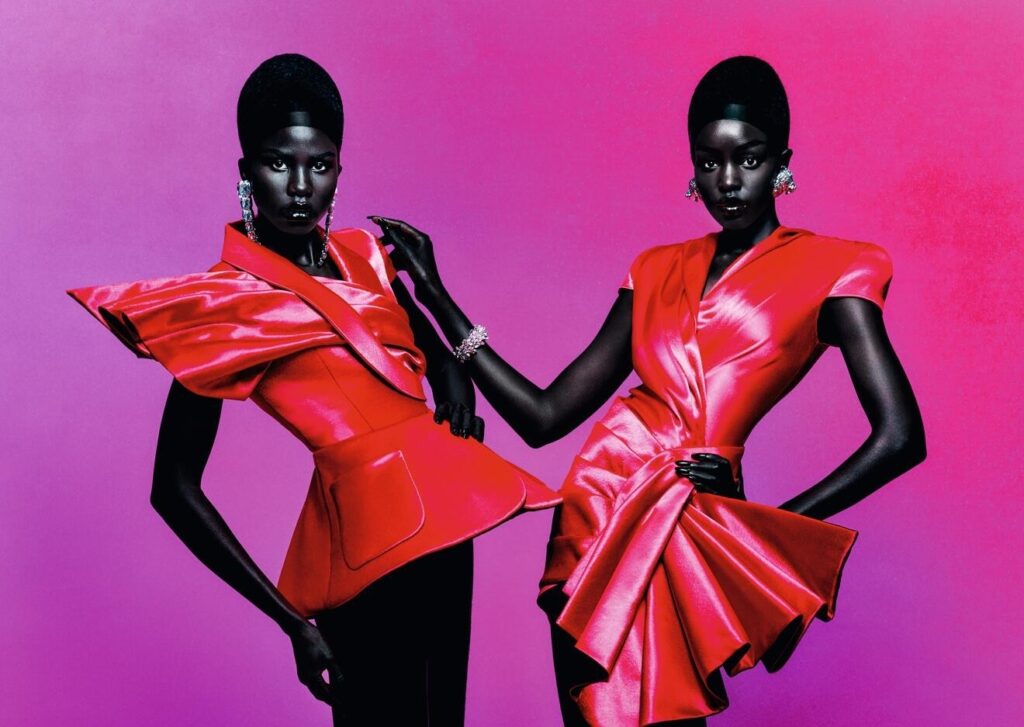
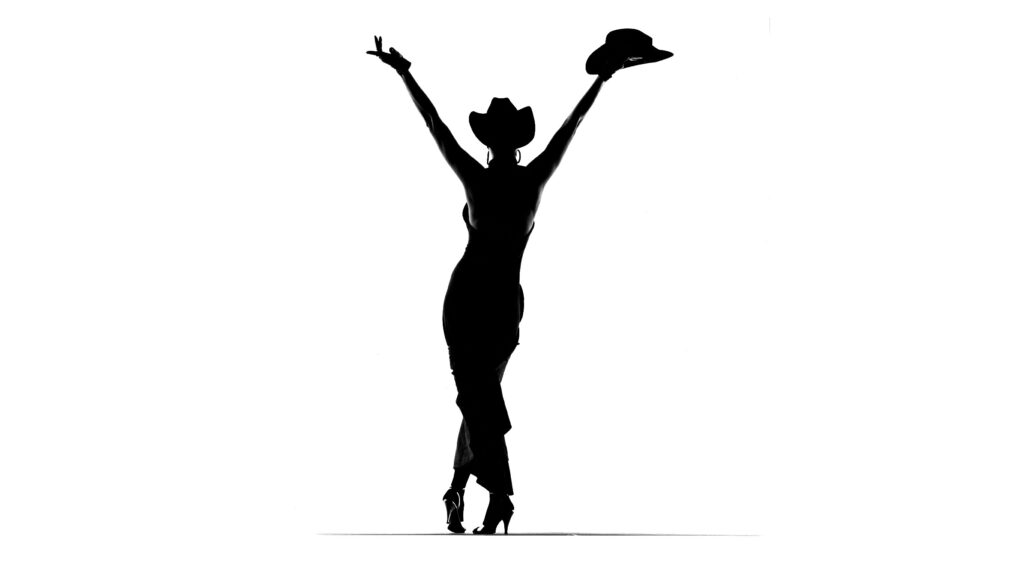
Kicking off this month, the Musée des Arts décoratifs in Paris hosts an exhibition curated by Sébastien Quéquet, focused on the extensive body of work of the Brazilian fashion photographer Rafael Pavarotti, from his sketchbooks to portraits of major pop culture figures such as Rihanna and Madonna.
Using colour, light and texture to celebrate identity, Pavarotti’s photography is presented alongside an exploration of the history of representation of models of colour, such as Donyale Luna, Beverly Johnson and Naomi Campbell.
In the words of the image-maker: “My work has always been rooted in the people and communities that shaped my understanding of the world, particularly Black and Indigenous communities. That grounding remains central to my practice.”
Through the importance of his Afro-Indigenous heritage and the political and social dimensions of his work, Pavarotti aims to inspire younger generations as well as those who have been marginalized in fashion.
The 90s: Art and Fashion (8 October 2026 – 14 February 2027)
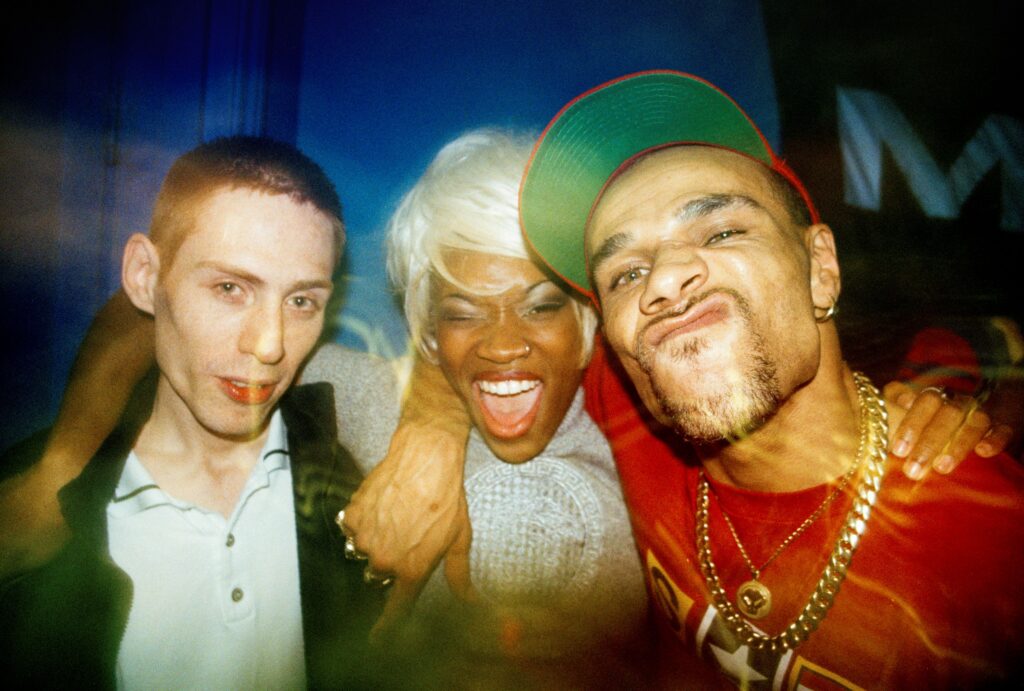
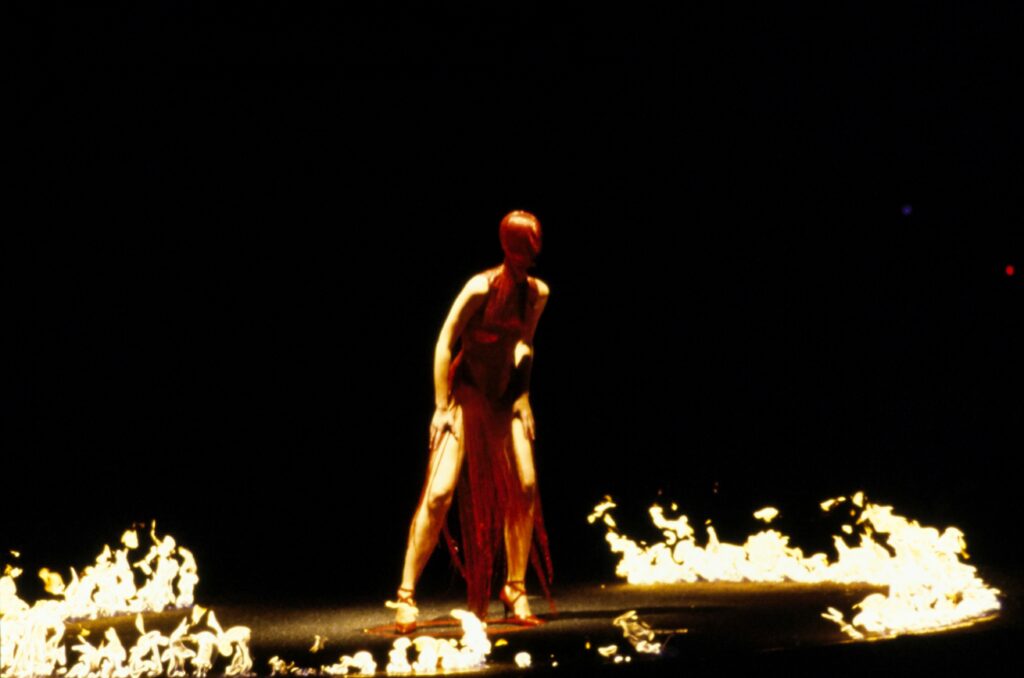
A major exhibition at Tate Britain brings together fashion, art, design and photography to represent the endless experimentation, individuality and defiance of the 1990s, expressed through the rise of artists who reshaped Britain’s cultural identity – from the Young British Artists phenomenon to Alexander McQueen.
In particular, film and photography serve as a media to showcase the rebellion of 90s youth through its subcultures and nightlife. Examples of this include Mark Leckey’s 1999 film Fiorucci Made Me Hardcore and queer club nights captured by Jon Shard, Poulomi Desai and Stuart Linden Rhodes.
Worth highlighting is the fashion photography of Koto Bolofo, which celebrates the work of Black British designers, as well as installations by Hamad Butt shedding light on the AIDS epidemic, alongside Alexander McQueen’s bold designs and Hussein Chalayan’s garments inspired by everyday objects.
Curated by Edward Enninful OBE, the exhibition concludes with artists and designers who reflected on both the past and the future of Britain. For instance, Vivienne Westwood and John Galliano drew inspiration from the past, questioning style, class and national mythology through anachronistic fashion collections. This closing room offers the audience an ideal opportunity to rethink the cultural landscape of the decade and the relationship between art and fashion today.
Tim Walker’s Fairyland: Love and Legends (9 October 2026 – 7 February 2027)
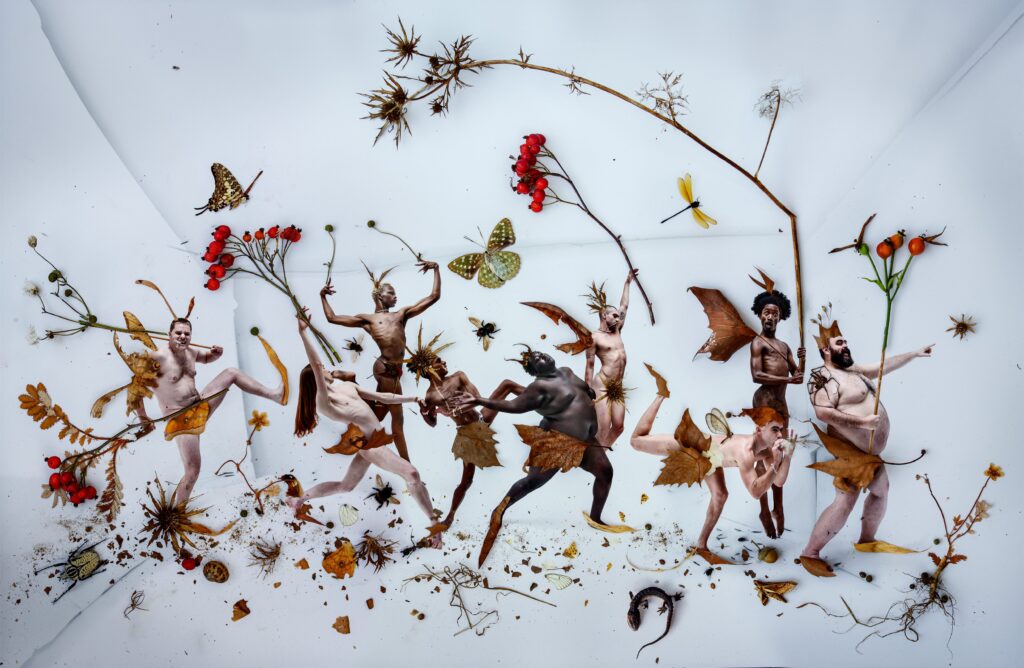
With Tim Walker’s Fairyland: Love and Legends, the National Portrait Gallery in London highlights the power of photography in exploring themes such as identity, community and love by gathering the work of a photographer deeply devoted to queer culture, activism, social work, nightlife and creative communities.
Curated by Susanna Brown, the exhibition begins with portraits of pioneers who spent the 1970s and 1980s courageously fighting for the right to love, including founding members of the Gay Liberation Front and Stonewall. One of the exhibition rooms is dedicated to the Rebel Dykes, a post-punk collective, accompanied by a short film in which women reflect on the importance of community and their campaigns for nuclear disarmament, environmentalism, sex-positive feminism and HIV solidarity.
Another part of the exhibition focuses on the power of fashion, makeup and performance as a transformative medium for queer people and allies – with portraits of figures like Jean Paul Gaultier, Michaela Stark, Paul O’Grady, David Hoyle, Midgitte Bardot, Hunter Schafer, Lady Gaga, and Chappell Roan.
“A place where everyone has the freedom to be themselves”, resisting homophobia and transphobia: this Fairyland is Walker’s inner world, with a constellation of influences and inspirations translated into elaborate portraits that celebrate individuality, desire and self-expression. By bringing together figures from different generations of queer activism, culture and performance, Walker transforms photography into a celebration of community, resilience and the freedom to exist openly and authentically.
Franco Moschino. Ceci n’est pas une exposition (31 October 2026 – 29 March 2027)
At the Forte di Bard in the Aosta Valley, Italy, fashion and photography come together in an exhibition celebrating the Italian designer Franco Moschino, known for revolutionising fashion through irony, provocation and his unadulterated creative freedom. Curator Pier Paolo Pitacco alongside Catia Zucchetti and Giuseppe Mastromatteo bring together more than 200 photographs, iconic garments and archival materials, retracing the work of a designer who rejected the conventions of the fashion industry and used clothing as a way to comment on society.
For Moschino, fashion was never simply about good taste. His playful and non-conformist creations transformed classic garments through unexpected details. His designs became a parody of the system itself, while his use of faux fur and his early commitment to environmental causes made him a pioneer of more conscious fashion.
Italian culture was another important source of inspiration, with references to Leonardo’s Mona Lisa, Michelangelo’s David, Sicilian puppets and La Gazzetta dello Sport appearing throughout his work. The exhibition brings this irreverent universe to life across six thematic rooms, where historic photographs, original garments, advertising campaigns and the theatrical displays of the fashion house come together.
Through photographs by Stefano Babic, Sergio Caminata and Stefano Pandini, alongside video interviews with friends, colleagues and artists, the exhibition reveals both the playful and political sides of Moschino’s practice. More than thirty years after his death, his belief in humour, provocation and creative freedom continues to challenge the boundaries between fashion, art and society.
Runway Archive 04.01.2022
EFHA World 18.05.2021
Runway Archive 14.01.2021
EFHA World 10.01.2021