
EFHA World 29.05.2022
05.11.2026
EFHA worldEuropean fashionfashion collectionItalian fashion
Meet the new member of our global community of institutions, museums and private collections championing fashion heritage
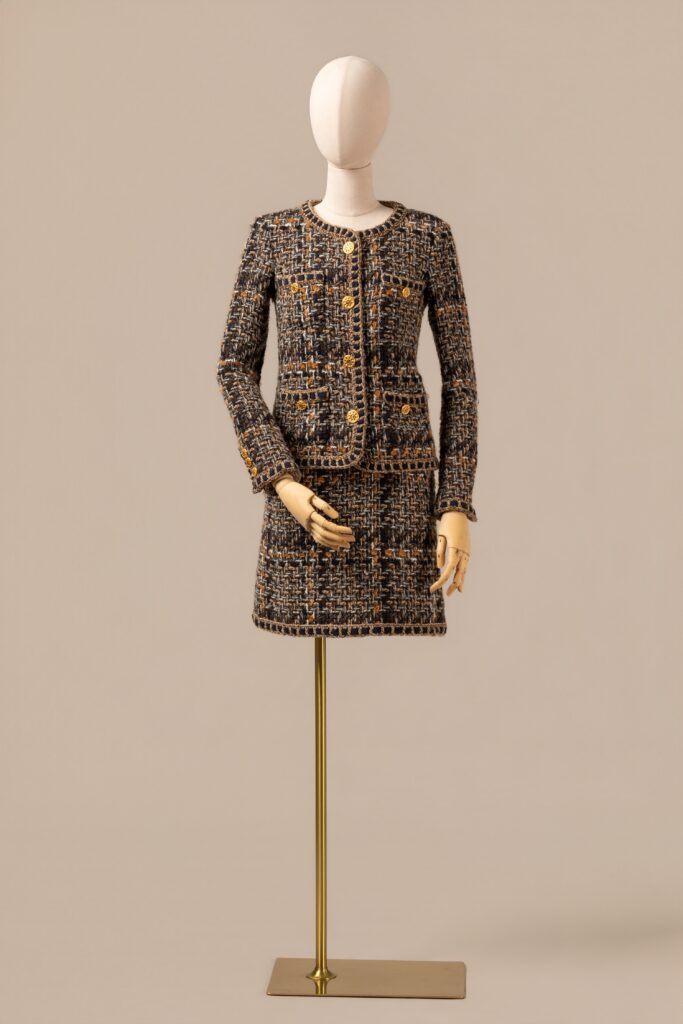
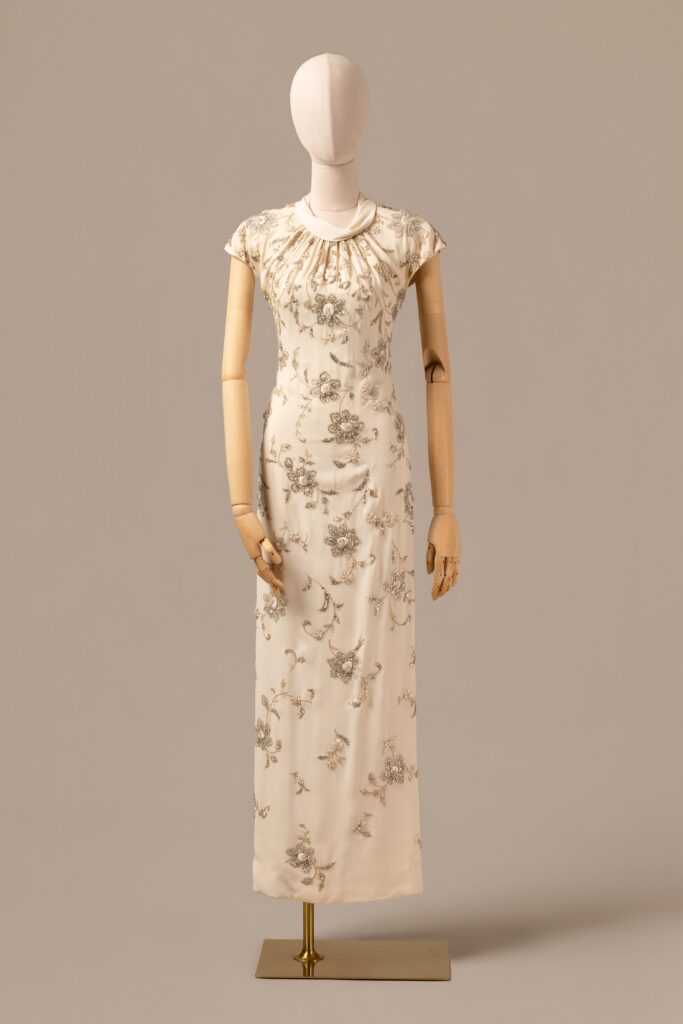
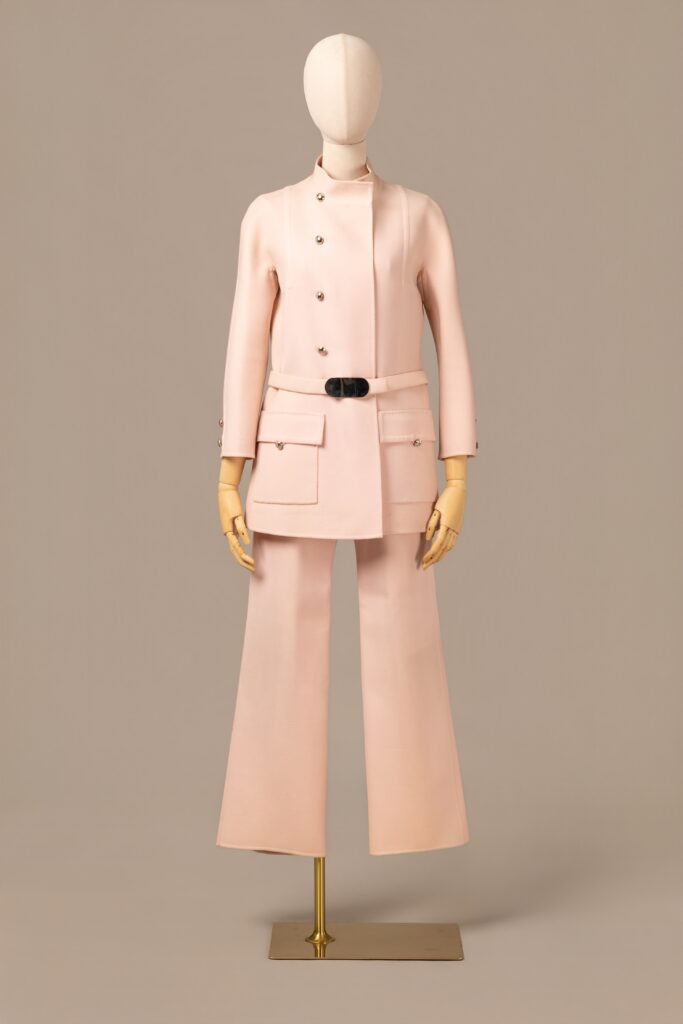
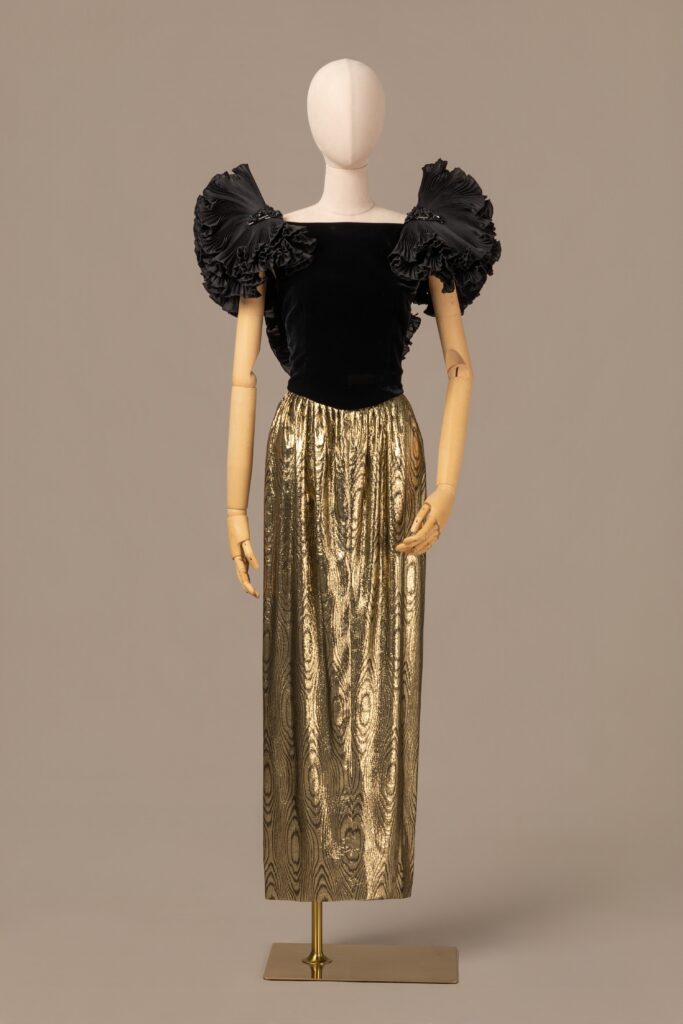
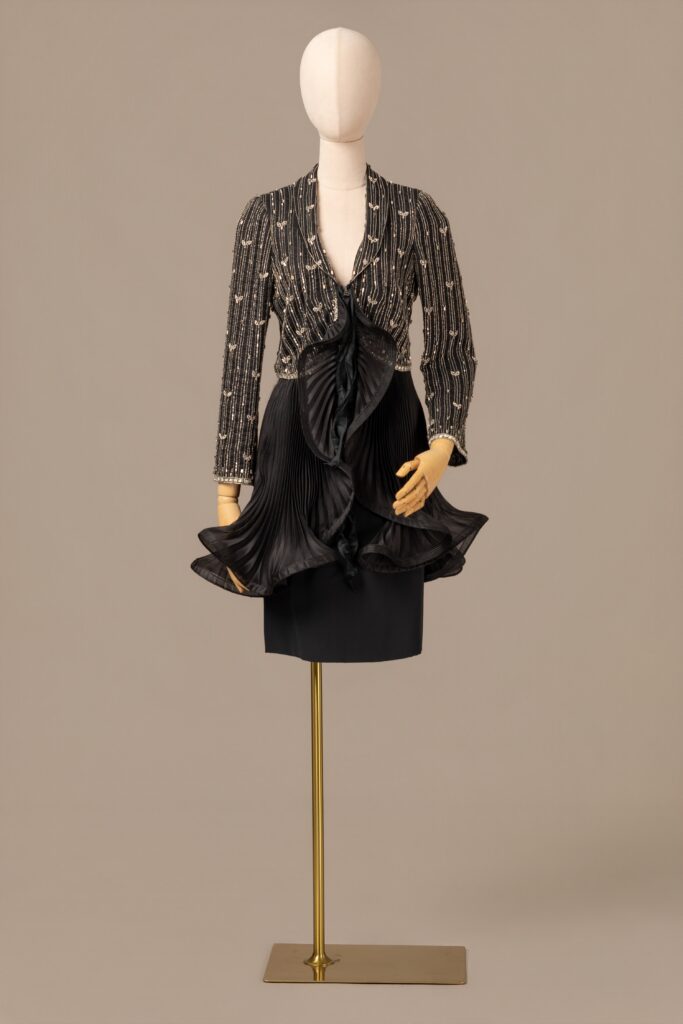
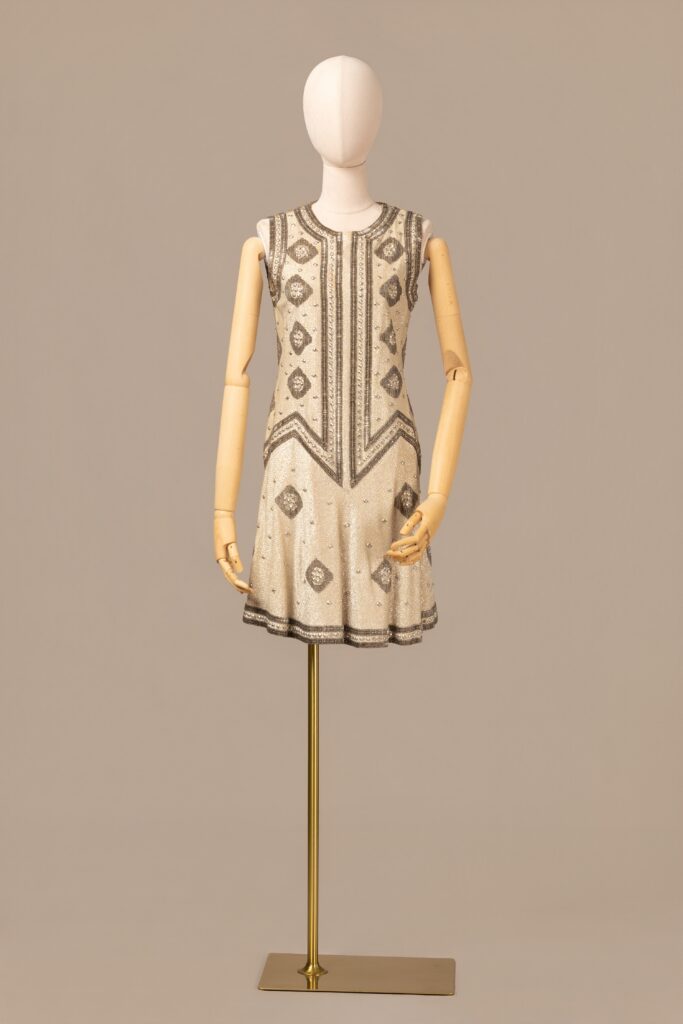
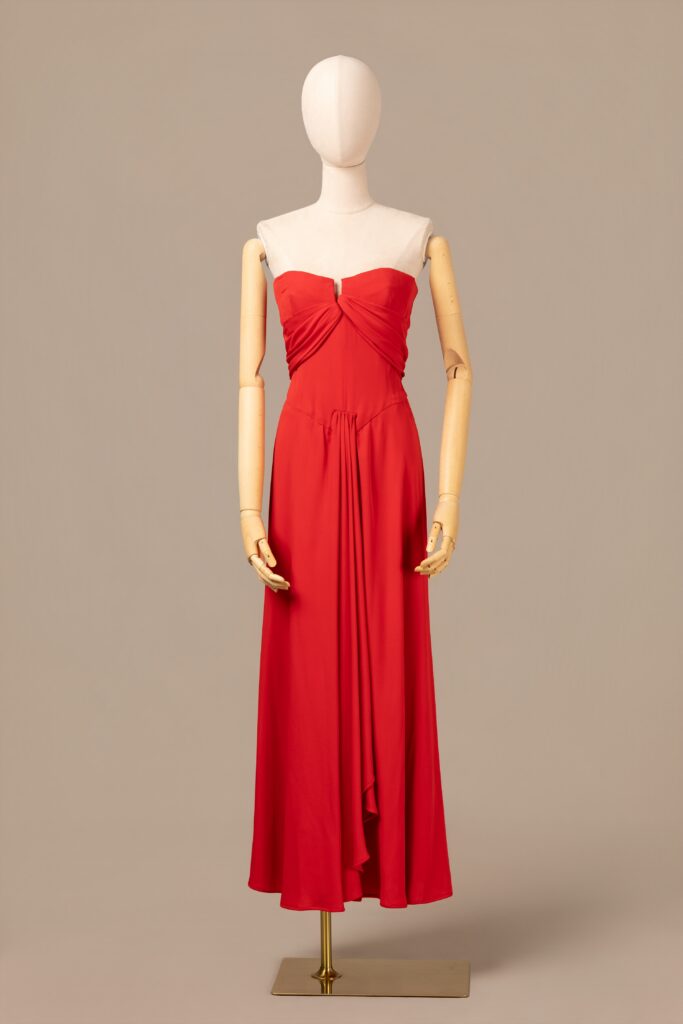
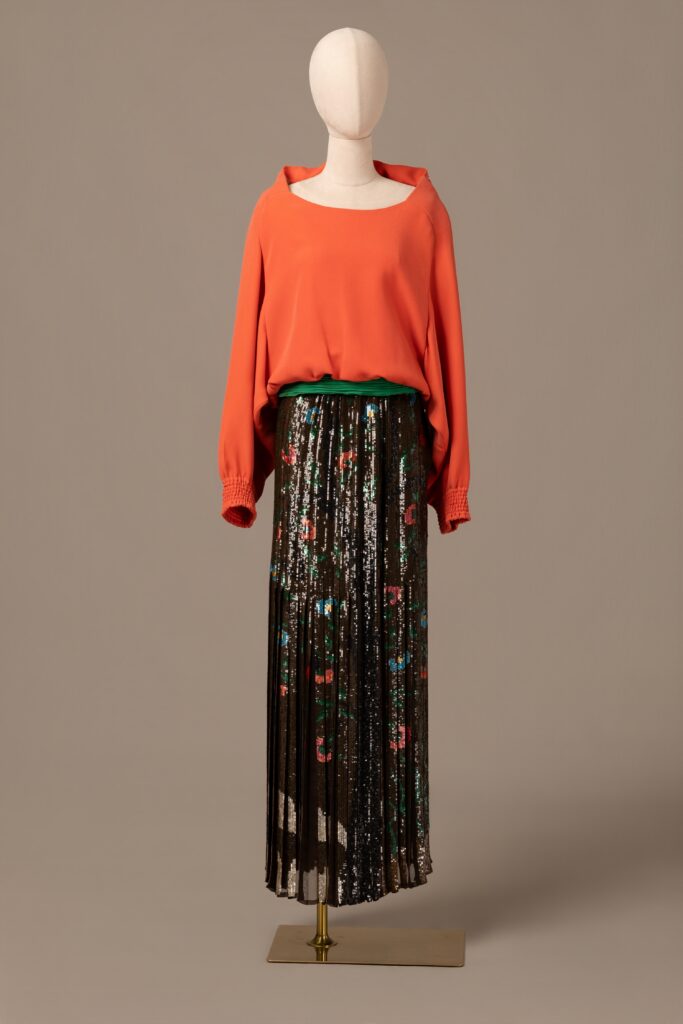
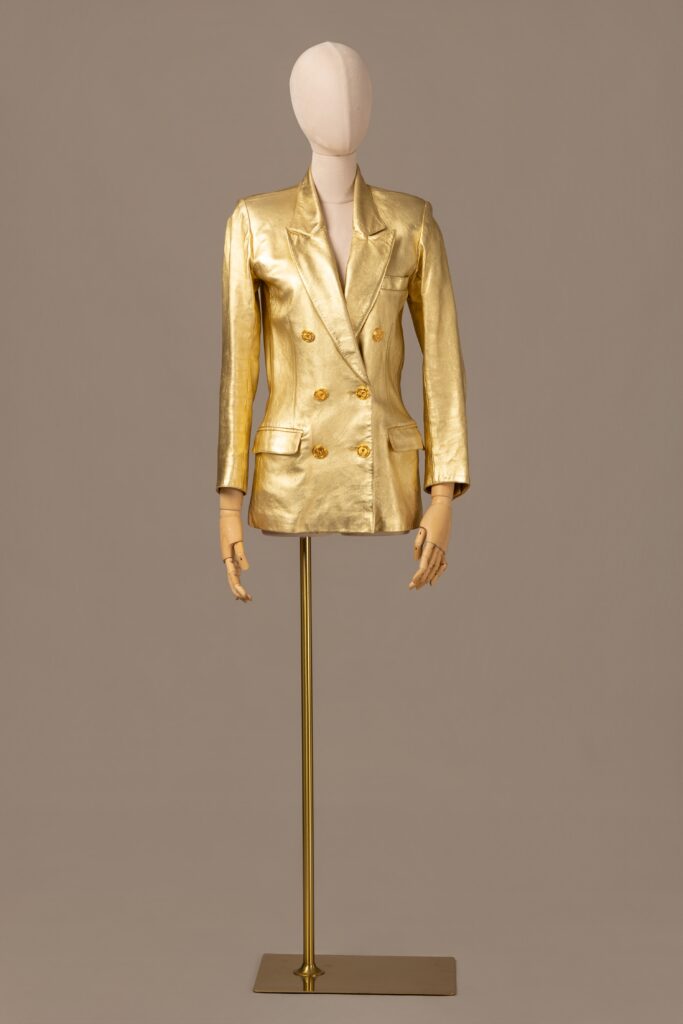
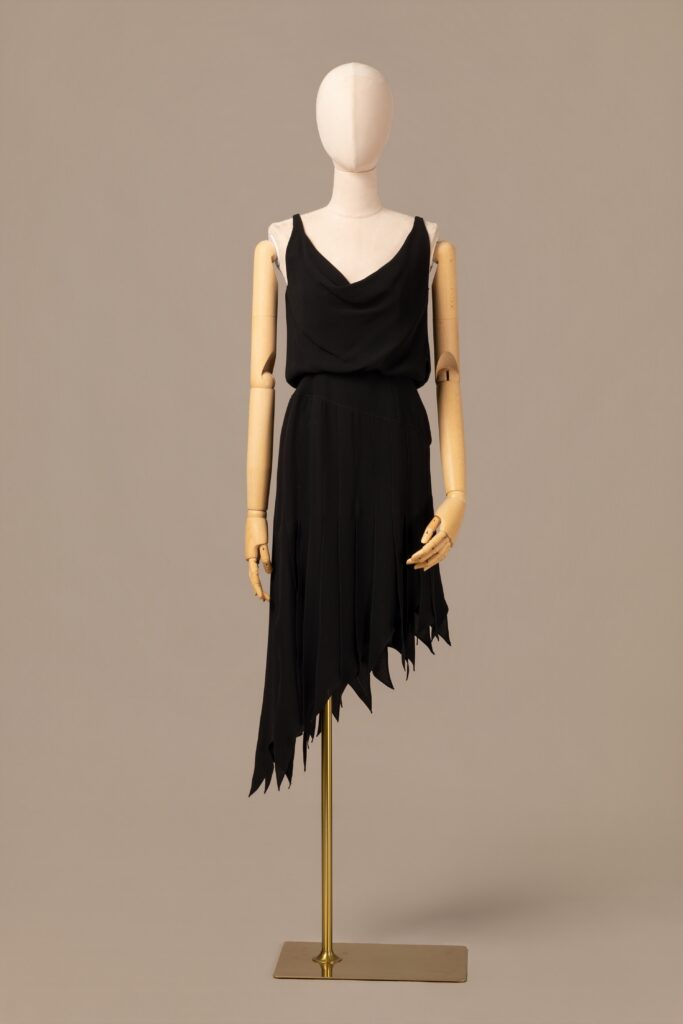
We are pleased to announce that the Rossi Cicci Collection has officially joined the European Fashion Heritage Association, adding to our growing archives a stratified corpus of garments and accessories that document over half a century of Italian material culture. The collection stems from an organic growth over the course of the collector’s lifetime, rather than through a retrospective acquisition process: the objects that compose it were selected, worn, used, and preserved within a specific social context – that of Milan’s bourgeoisie between the 1960s and the early 2000s – of which they now constitute a material testimony.
At the core of the collection is the meeting of two distinct paths. Sergio Rossi, a Turin industrialist, stands as a key figure in Italy’s post-war manufacturing history: as founder of Comau (now a global leader in industrial automation), he developed the Transfer system for automotive production, laying early groundwork for modern industrial robotics. He was also president of Torino FC in 1982. Liana “Cicci” Servi, born in Milan in 1933, emerged instead from the Milanese bourgeoisie, which helped define a aesthetic during the post-war economic boom that gained global acclaim. The collection draws its identity from this intersection: one side rooted in Turin’s industrial innovation, the other in Milan’s artistic and fashion heritage.
In the 1960s and 1970s, Milan emerged as an international hub connecting fashion, art, and culture. Cicci Servi moved through this environment as an active participant, frequenting ateliers, salons, and social occasions in which dress functioned as a precise social code. The ritual of changing outfits throughout the day – distinguishing morning wear from tea, lunch, cocktail, and evening attire – formed a refined dress etiquette, preserved here in a rare, remarkably cohesive archive. This material corpus is further enriched by her personal diaries, in which appointments, fittings, and the occasions in which the garments were worn are systematically recorded. These written sources, preserved alongside the ensembles, in many cases allow a precise reconstruction of use contexts and dating of individual pieces.
The collection’s wide-ranging scope stands as one of its defining features. While the garment archive centers on the 1960s and 1970s, it extends into the early 2000s, tracing an almost uninterrupted sequence of over forty years of lived haute couture. It includes designs by Valentino, Yves Saint Laurent, Chanel, and prominent Italian couturiers. Acquired directly from boutiques and ateliers, these pieces are carefully preserved, many with documentation detailing their provenance, date, and original context of use. The chronological depth of the corpus allows for an examination of the evolution of a single wardrobe in relation to shifting couture languages and their associated social codes.
Alongside garments and ensembles, the collection features a substantial selection of furniture, artworks, decorative objects, tableware, and textiles assembled over the same period under the same curatorial approach. The family residences were envisioned as harmonious, unified spaces where art, objects, and furnishings coexisted in formal balance. This continuity between wardrobe and domestic space is one of the most significant aspects for the study of taste and material culture in late twentieth-century Italy: the collection is not only a fashion archive, but also a testimony of a domestic and relational system.
The Rossi Cicci Collection is a dynamic, living archive. Over the years, Liana “Cicci” Servi progressively acquired and expanded the original nucleus of the collection. Today, the collection continues to grow: Liana Servi is still alive, and several of her residences contain a significant number of garments yet to be catalogued, particularly in the Milan apartment, and in her daughter Alessandra’s house in Viareggio, Tuscany.
The ongoing work of inventory and study is entrusted to her daughter Alessandra, who has assumed curatorial responsibility to transform the archive into an active center for study, exhibition, and engagement. Its entry into EFHA marks the beginning of this phase, positioning the collection within the European network of fashion archives as a resource for scholars, curators, and institutions interested in private wardrobes and collections as a source for the history of fashion and twentieth-century culture.
EFHA World 29.05.2022

EFHA World 15.03.2022

EFHA World 09.02.2022

EFHA World 21.11.2021