
EFHA World 12.11.2026
19.11.2026
EFHA worldexhibitionfashion exhibitionfashion museum
A brief and incomplete roundup of fashion exhibitions to welcome the latest addition to our growing network of institutions
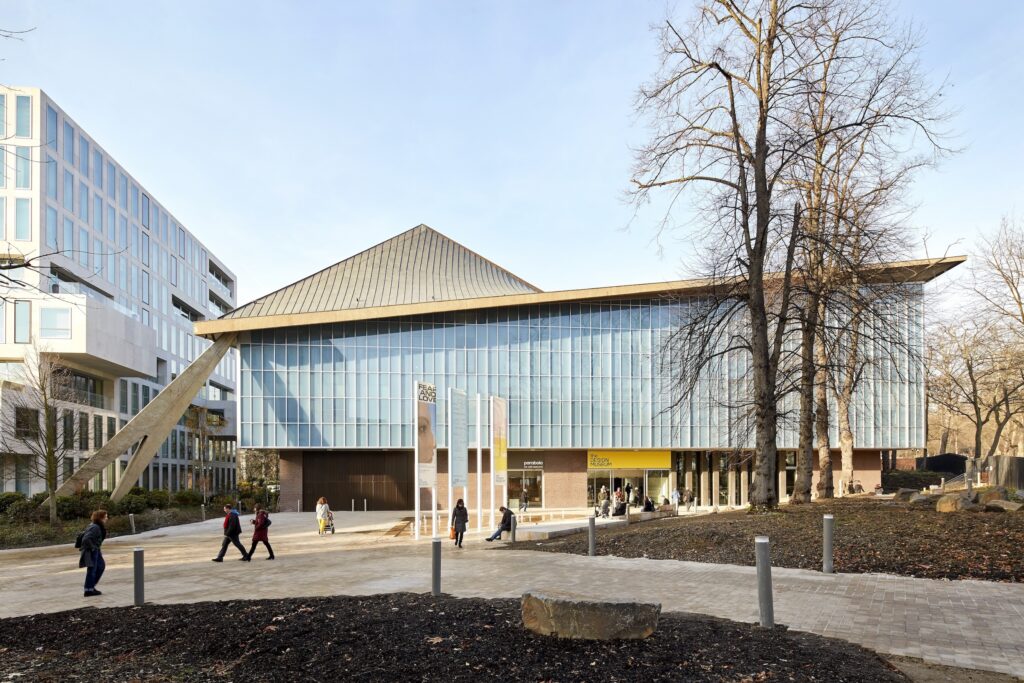
We are thrilled to welcome our newest member, the Design Museum, a multifaceted cultural institution located in Kensington, London. Serving as an ever-changing hub, it brings together the public, industry leaders, and educators to explore bold new ideas through the lens of design.
The museum’s origins date back to 1981 with the Boilerhouse Project. Housed in the former boiler rooms of the Victoria and Albert Museum, this independent initiative – financed by the Conran Foundation and directed by writer and critic Stephen Bayley – set out to stimulate public interest in contemporary design. Over its five-year run, the project hosted a series of lively and critically acclaimed exhibitions, proving there was a strong public appetite for modern design.
Founded in 1989 by the designer Sir Terence Conran, the Design Museum as we now know it originally opened its doors in a converted banana warehouse in Shad Thames and relocated to its current Kensington home in 2016, welcoming millions of visitors. Its work was recognized in 2018 when it was named European Museum of the Year. Operating as a registered charity, the institution’s mission is best captured in its own words: “The museum’s innovative exhibitions, partnerships, research, and learning programmes evidence how design can enable this planet and its inhabitants to thrive.”
Beyond its temporary exhibitions, the Design Museum’s permanent collection serves as a vital record of the key designs that have shaped the modern world. Tracing the history of mass production from nineteenth-century manufacturing innovations to the digital and maker revolutions of recent years, the collection spans the full spectrum of design, including architecture, fashion, furniture, product, graphic design, and transport. Dating back to the museum’s early days as the Boilerhouse Project, one of the very first objects acquired was a 1968 Mobil petrol pump designed by Eliot Noyes.
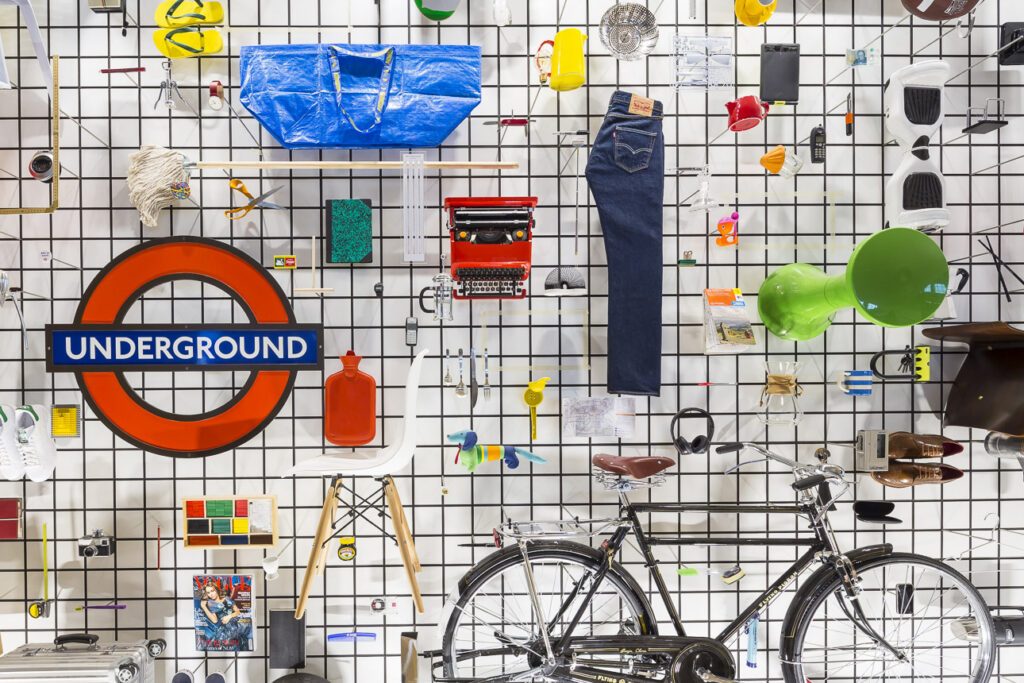
A major highlight of the museum is its free permanent display, Designer Maker User. Featuring nearly 1,000 items of twentieth and twenty-first-century design, the exhibition examines the evolution of modern design through three interconnected perspectives: the designer, the manufacturer, and the user. Spanning everything from architecture and engineering to fashion, graphics, and the digital world, the display acts as a true manifesto for the museum’s multidisciplinary approach.
The transdisciplinary approach championed by the Design Museum is directly reflected in its programming, where fashion has always taken center stage. Since its early Boilerhouse days, the museum has been a dedicated promoter of fashion exhibitions. A landmark early example is the 1985 show Issey Miyake: Bodyworks, which introduced the Japanese designer’s intricate tailoring to the UK for the first time. In a striking scenography, the immaculate, white-tiled gallery was filled with black foam rubber, out of which rose mannequins dressed in Miyake’s garments.
This marked the beginning of a breakthrough series of designer-focused exhibitions that bridged the gap between the general public and the often exclusive, gatekept world of high fashion. The roster has celebrated British icons – such as Paul Smith: True Brit (1995), When Philip Met Isabella: Philip Treacy’s Hats for Isabella Blow (2002), and Matthew Williamson: 10 Years in Fashion (2007) – alongside international masters like Pierre Cardin: Sculptures Utilitaires (2000), Manolo Blahnik (2003), and Christian Louboutin: 20 Years (2012).
A special mention goes to the 2018 exhibition Azzedine Alaïa: The Couturier, which was conceived and co-curated with Monsieur Alaïa prior to his passing in November 2017. Exploring the legacy of one of history’s most revered fashion designers, the show brought together over 60 rare and iconic garments from across his esteemed career, displayed alongside specially commissioned works by leading contemporary designers. Most recently, NIGO: From Japan with Love continued this longstanding tradition, celebrating the enduring impact of Japanese fashion trailblazer NIGO.
However, fashion at the Design Museum has not only been explored through the lens of individual designers, their creations, and personal archives; it has also been examined through different mediums, such as photography and illustration. Before the just-opened major retrospective at the National Portrait Gallery, Tim Walker staged his first major institutional exhibition at the Design Museum in 2008 with Tim Walker: Pictures. Prior to that, in 2002, Unseen Vogue: The Secret History of Fashion Photography showcased photography works commissioned by the magazine that had never been published. Illustration took center stage in 2010 with Drawing Fashion: 100 Years of Fashion Illustrated, charting the evolution of the discipline’s most influential illustrators from the 1920s to 2010.
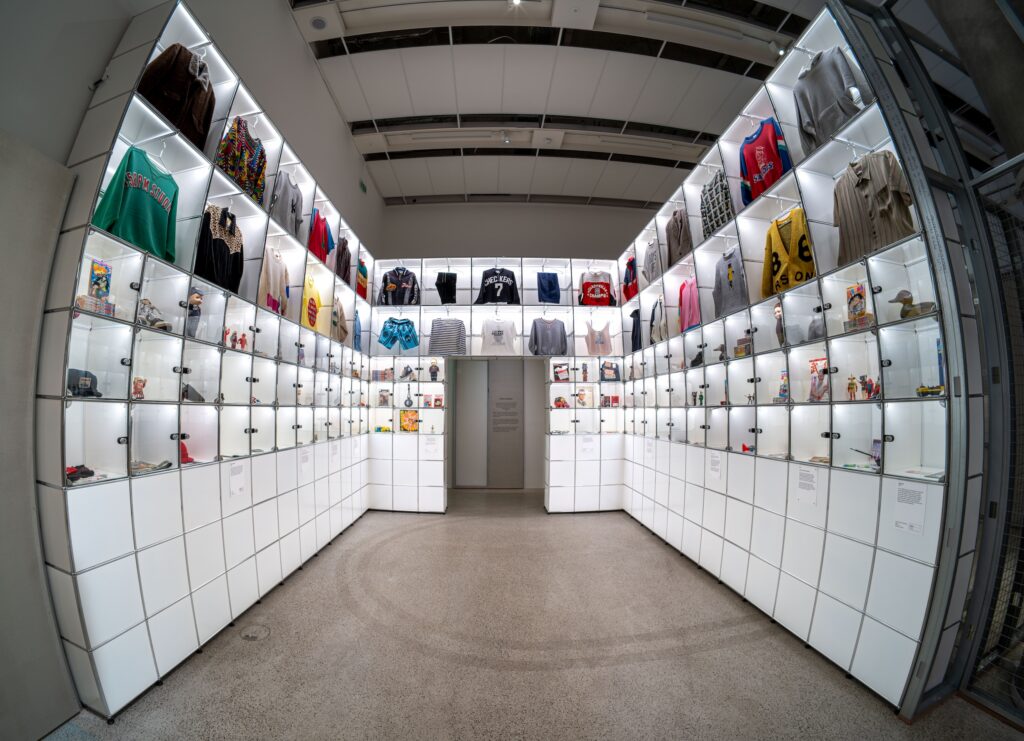
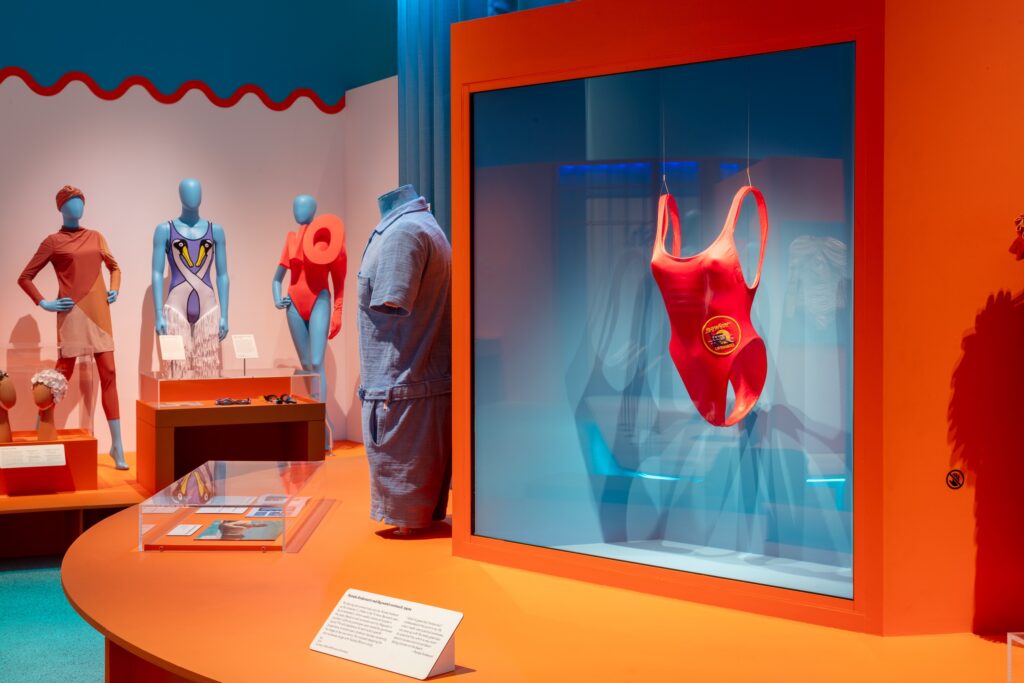
In recent years, the museum has also broadened its scope to examine fashion through the prism of pervasive cultural phenomena and objects. An example is the 2021 exhibition Sneakers Unboxed: Studio to Street, which framed the global footwear phenomenon as a cultural force that has challenged performance design, inspired subcultures, and reshaped the fashion industry. Similarly, the 2025 exhibition Splash! A Century of Swimming and Style explored our enduring relationship with water over the past 100 years – tracing a line from Britain’s lido boom in the early twentieth century right up to the viral “Mermaidcore” aesthetic of the 2020s. Impossible to not mention Barbie®: The Exhibition, which also in 2025, which explored the design evolution of one of the world’s most famous dolls.
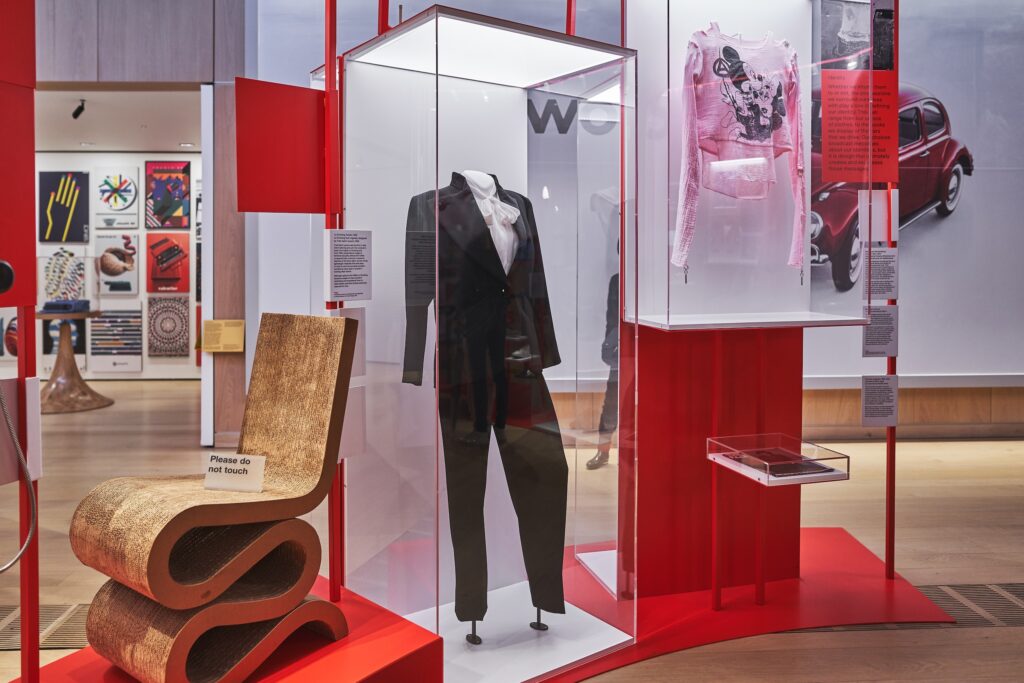
Moreover, the Design Museum has continually used fashion as a platform to spark urgent conversations around societal impact, representation, and sustainability. Designed by the world-renowned architect Zaha Hadid, the landmark 2014 exhibition Women Fashion Power brought together exclusive interviews, an immersive multimedia journey, and unique historic garments to form one of the most wide-ranging presentations of modern fashion ever staged in the UK. It explored how influential figures – from Dame Vivienne Westwood and Natalie Massenet to Princess Diana and Anne Hidalgo – have used fashion as a vital tool for self-expression and empowerment to build reputations, command attention, and assert authority.
Looking toward the future of the industry, the 2024/2025 exhibition Tomorrow’s Wardrobe invited visitors to examine the textiles, technologies, and garments leading the charge to reduce fashion’s environmental and social footprint across production, design, and wear. Standout highlights included an upcycled polo shirt by Ahluwalia, a bio-based bag created in collaboration with Stella McCartney and Ponda, pieces from Toast’s visible repair line, and a pair of Salomon shoes designed with Ranra specifically for disassembly.
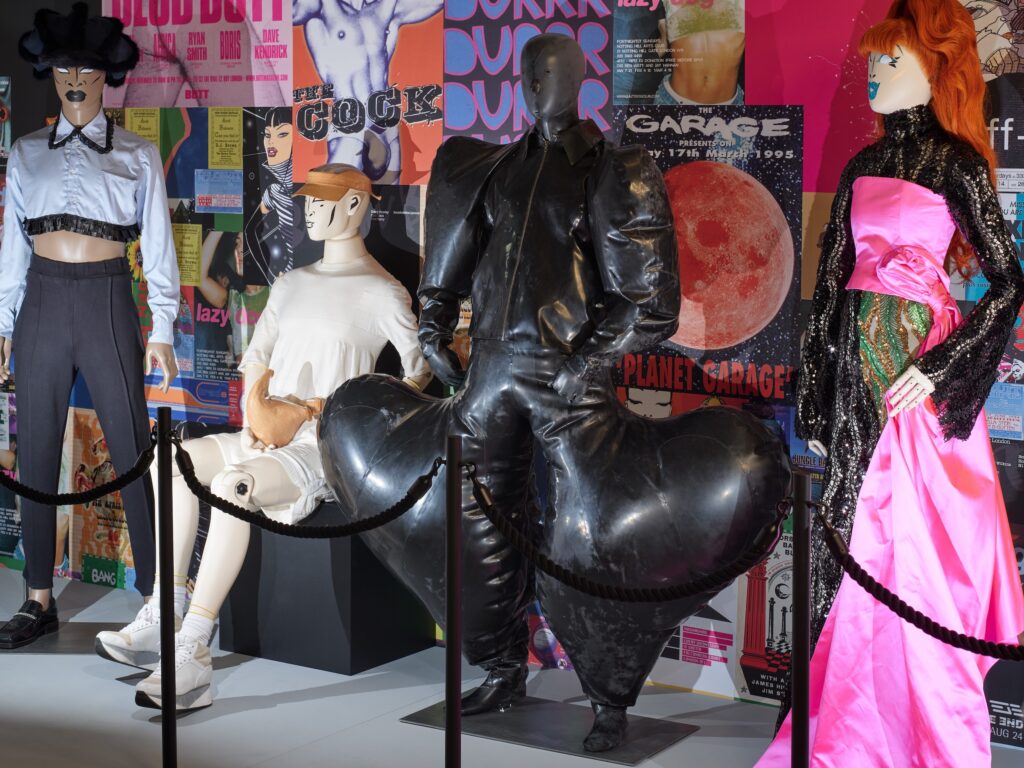
London itself is also a major source of inspiration for the Design Museum, heavily influencing its recent fashion programming. A prime example is the 2023/2024 exhibition REBEL: 30 Years of London Fashion, sponsored by none other than the Alexander McQueen brand. The project showcased the city’s most exuberant, rebellious, and radical creations, bringing together 100 innovative looks from groundbreaking debut and early collections—many of which have entered pop-culture history and launched global design careers. These garments were displayed alongside films, drawings, memorabilia, and never-before-seen archive material from some of the UK’s most celebrated contemporary designers.
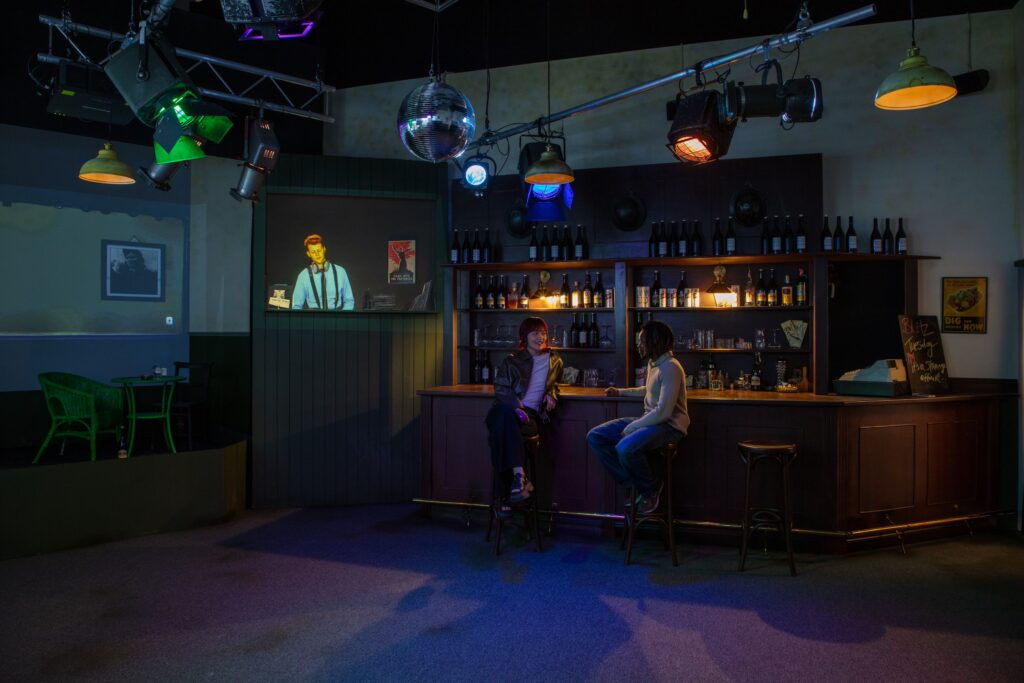
Continuing this deep dive into London’s subcultural heritage was the exhibition Blitz: the club that shaped the 80s, which ran until March 2026. Bringing together over 250 items drawn directly from the club scene and its creative protagonists, the exhibition even allowed visitors to step inside the venue themselves through an immersive recreation built right inside the gallery.
To conclude this brief – and inevitably incomplete – timeline of fashion’s presence at the Design Museum, we must highlight costume design as an integral pillar of the institution’s film-based exhibitions, which also happen to be its biggest record-breakers. When exploring the creative worlds of visionary filmmakers, it is impossible to overstate the role costume design plays in the cultural impact and success of their work. A prime example is The World of Tim Burton, the most popular show in the museum’s 35-year history, which celebrated the creative processes behind some of the most iconic films of the past five decades – complete with the cult-favorite costumes that brought them to life.
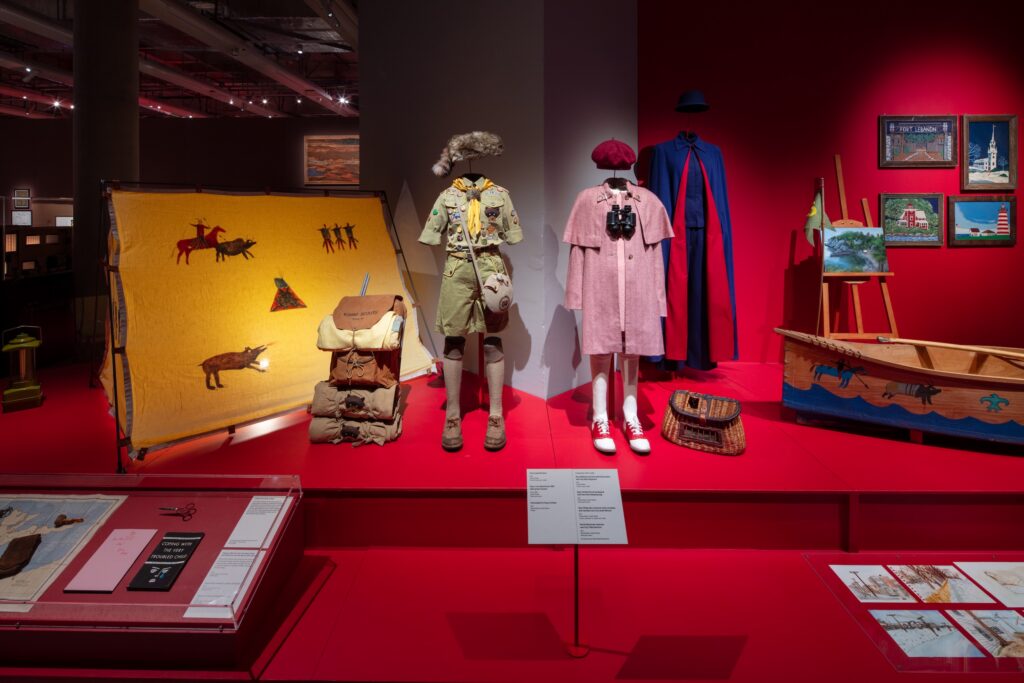
Speaking of iconic costumes that have cemented themselves in popular culture, another standout highlight in the museum’s recent programming was Wes Anderson: The Archives (November 2025 – July 2026). Featuring over 700 items and marking the very first time the director’s personal archives went on display in the UK, this seminal retrospective celebrated the meticulous visual universe of one of the world’s most beloved filmmakers –and his most unforgettable cinematic looks.
We are delighted to officially welcome the Design Museum into our association and look forward to the boundless creativity, historical insight, and forward-thinking dialogue they will bring to our community.
EFHA World 12.11.2026
EFHA World 05.11.2026
EFHA World 29.05.2022

EFHA World 15.03.2022