



Fashion & History 26.08.2026
19.08.2026
archivesfashion photographyphotography
From 1800s carte de visite of the artistic jet set to 1990s straight-ups from Rotterdam’s underground scene
Photography remains one of the primary vehicles through which fashion circulates and is consumed today. It is also an essential resource for researching, documenting and historicizing fashion’s past. That’s one reason why fashion archives – and not only! – are packed with them.
Indeed, even our own EFHA repository hosts an extensive collection of photographs spanning centuries, mediums, subjects, and authors – an ocean of histories and practices that might leave a researcher feeling disoriented, or even paralyzed, about where to begin. But research is also about losing oneself in the process, and that is precisely what we did for this post.
To celebrate World Photography Day, we curated a selection from six photographic collections present in our archives, in an attempt to highlight the sheer breadth of our holdings – as well as of the history of photography, communication and fashion imagery at large. From the official imagery for registering designs in the 1920s to portraits of life in Northampton in the 1980s, this list is surely not exhaustive or comprehensive, merely a small selection of deep-dives which could be the starting point for further research or curiosities.
The cartes de visite were small-format photographs affixed to card stock, popular in the mid-19th century. Patented in Paris, the card had a standard format and emulated that of the “visiting cards”, predecessors of today’s business cards (which are now more and more digital – speaking of an evolving medium!). At the time it became a trend of sorts and it wasn’t uncommon that people in European cities presented themselves to others through the cards, traded them with friends or used them to publicize their work.
To share the variety of styles a carte de visite could have, we decided to present a selection of these objects from the artistic scene of the 1860s and 1870s from the archives of one of our partners, the Berlin State Museums. Actors, painters, singers, songwriters of the time indeed got pretty creative in deciding how to present themselves to the public, wearing gender-bending costumes in evocative set-designs, using dramatic looks and facial expressions or even hand-painted portraits and lo-fi samples of their music.
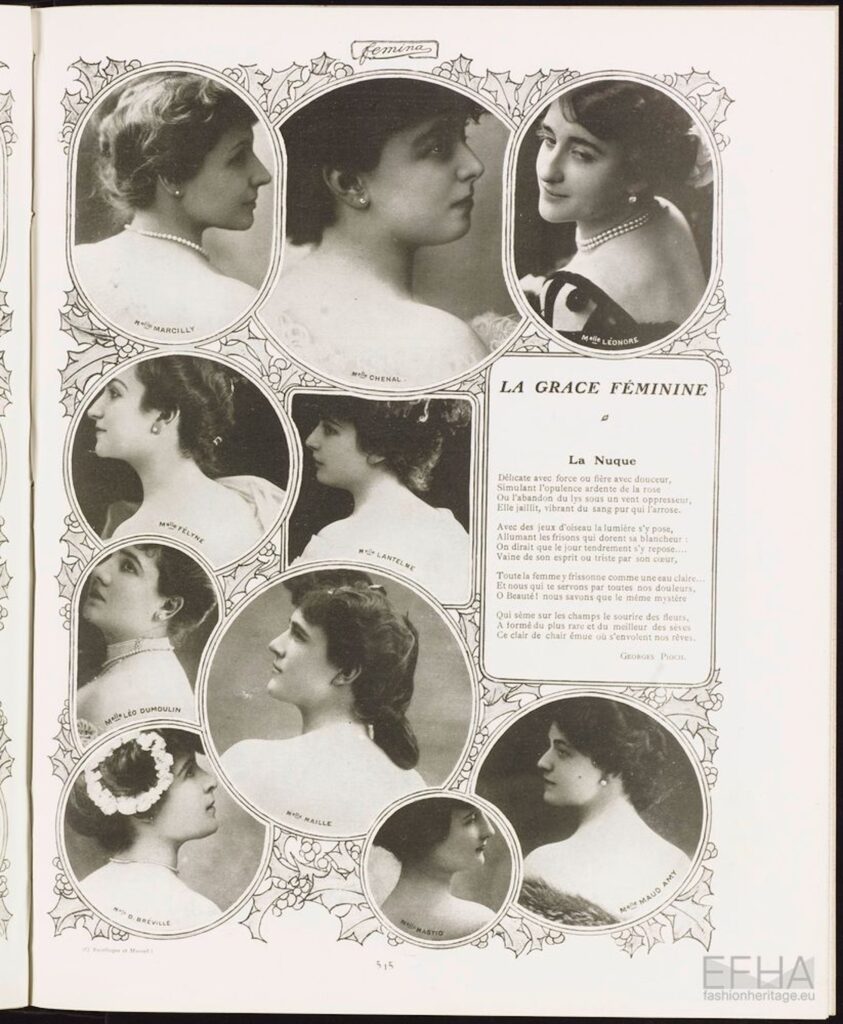
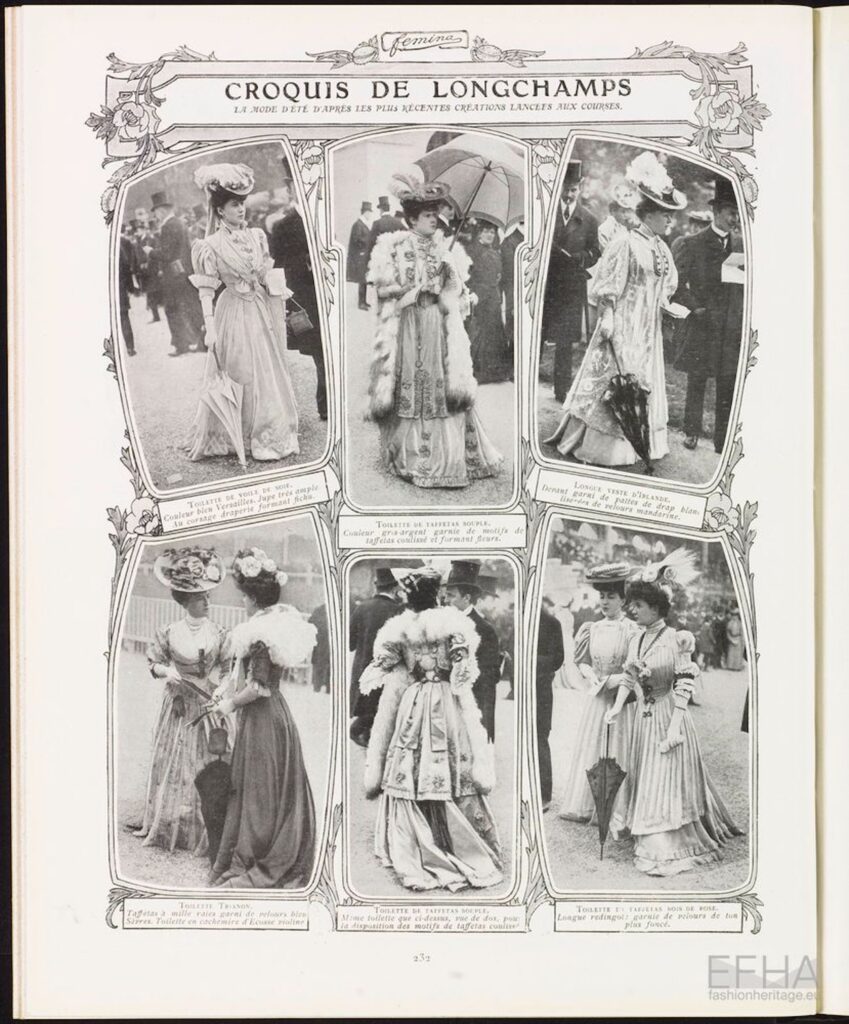
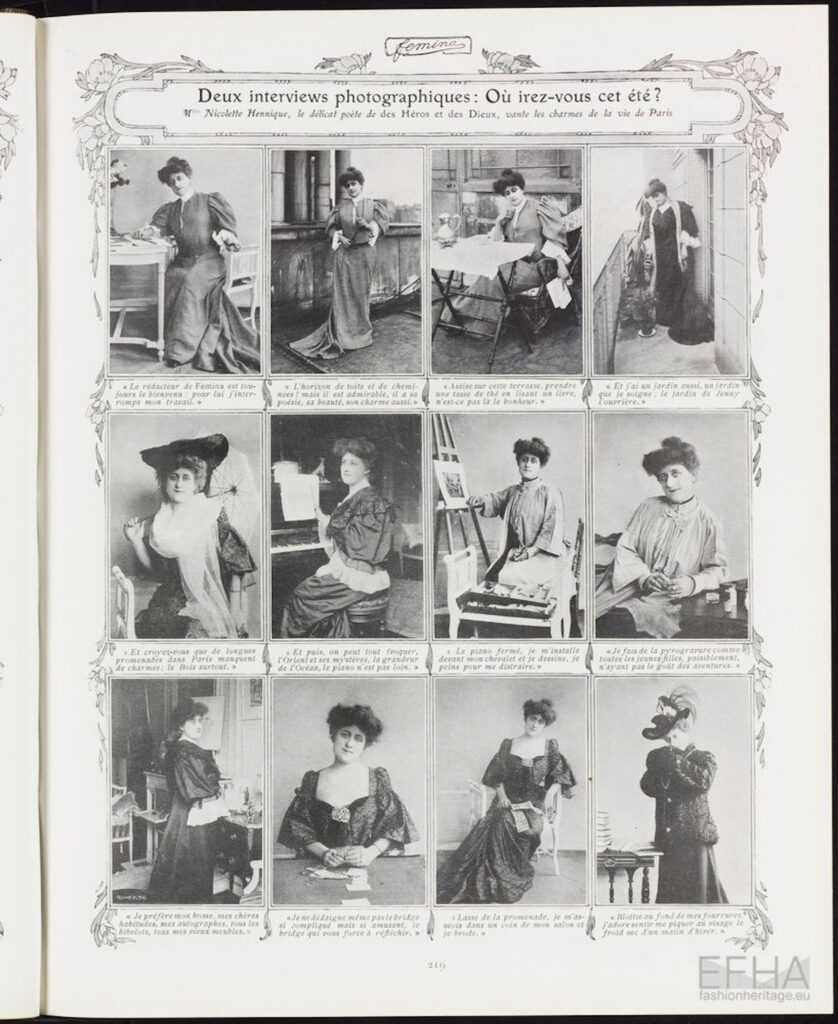
Created in 1901 by Pierre Lafitte, Femina was a bi-monthly women’s magazine that became immediately popular in the French bourgeoisie during the turn of the century, reaching its highest audience exactly in 1905/1906.
Known for its pioneering illustrations and innovative graphic design, in the early 1900s it also adopted creative photography layouts to present social events, style guides, latest trends, short stories and photographic interviews. If you are interested in knowing more about the magazine’s story, you can read here a short profile of the publication.
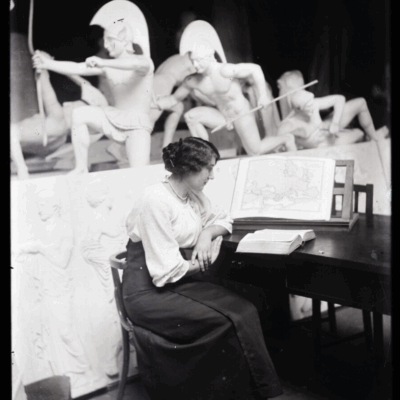
In 1920s France – when fashion counterfeits were at their heyday – if a couturier or tailor wanted to legally protect their designs, they had to gather official testimonies in order to patent the novelty of their creations. One of the objects required by the design registration were visual records of the design, a photographic blueprint to eventually identify alleged “copies” of the look or the accessories – all well documented in Palais Galliera’s collection.
What we might consider now as proto-lookbooks – but with a legal status! – the so-called dépôt de modèle were essentially images of an ensemble shot from different angles (sometimes with the use of mirrors), correlated by a sequence number assigned to the design within the registration filing to ensure unequivocable identification. They essentially acted as a legal protection for fashion houses’ innovations. Of course, if you are someone like Madame Vionnet or Paul Poiret, not only your designs but also the official imagery to document it would be of the highest aesthetic value, with models posing in a set, sometimes featuring props, sometimes in external locations, fully embodying the couture pieces.
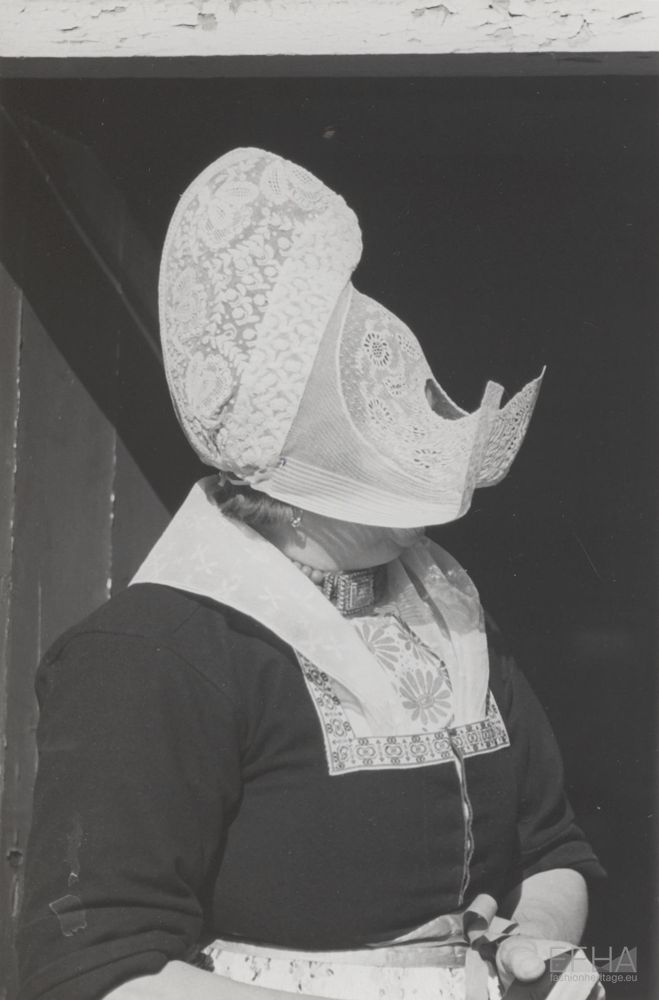
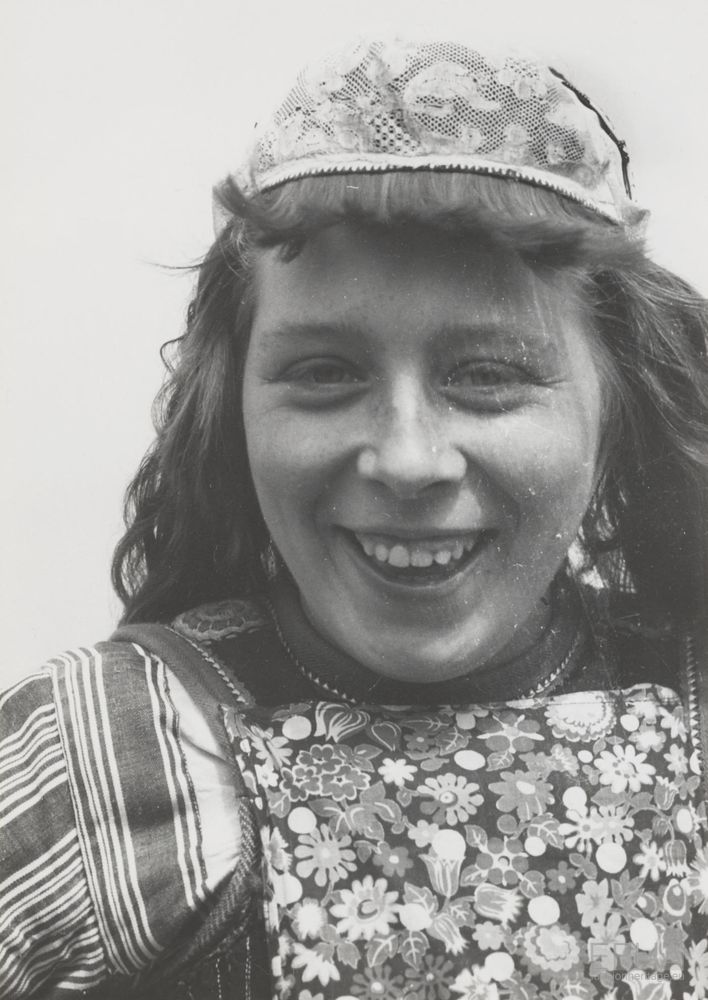
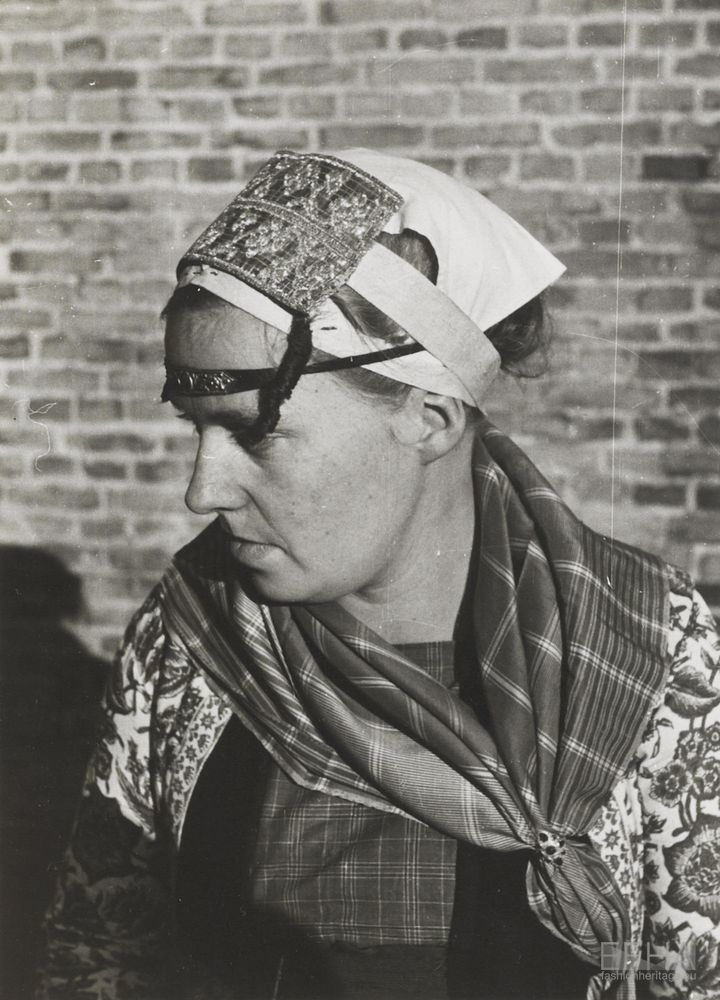
Johannes Adam van Beelen, known as Hans van Beelen, was a Dutch photographer who also worked between the 1940s and 1980s as an employee of the Nederlands Openluchtmuseum in Arnhem – which now hosts a vast collection of his works. Working as a researcher of historical buildings and farmhouses, he created a remarkable photo-ethnographic series related to regional costume and lifestyle.
Right after WW2, van Beelen documented the rural life in country towns such as Volendam, Rouveen, Marken, and Staphorst (to name a few). Intentionally or not, he also portrayed dozens of traditional headpieces – from starched lace bonnets to embroidered caps, from bejewelled and dramatic silhouettes to layered bandanas – giving these items, part of regional traditional costumes, posterity and recognition.
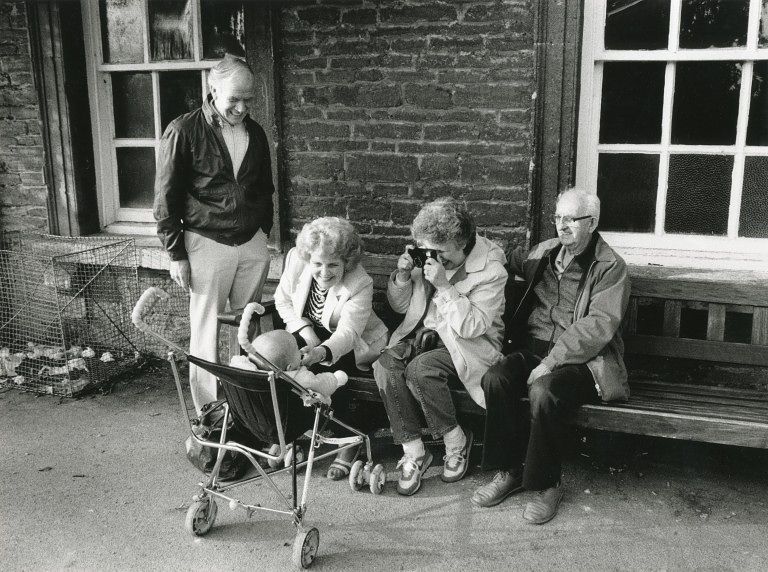
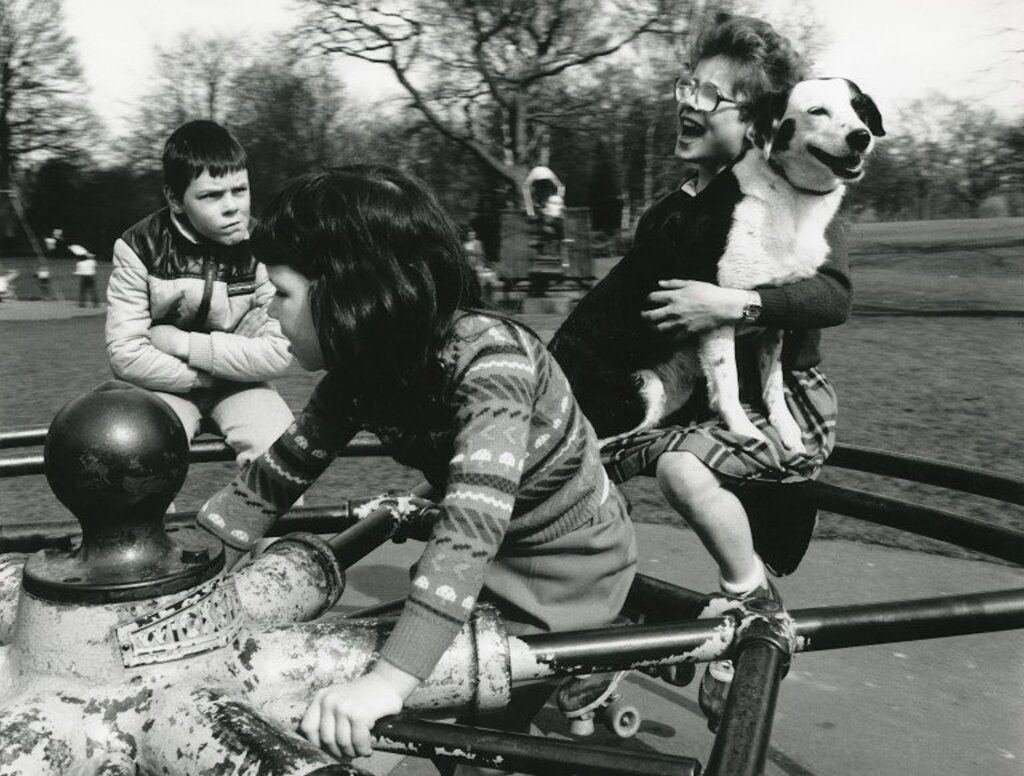
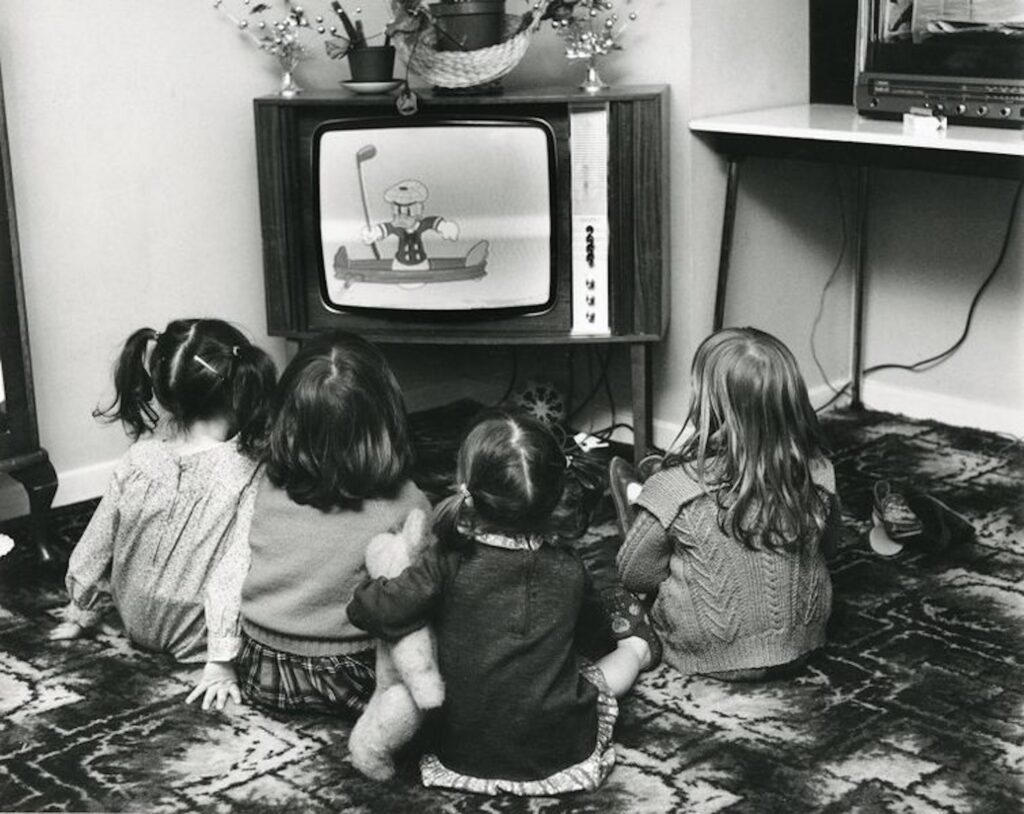
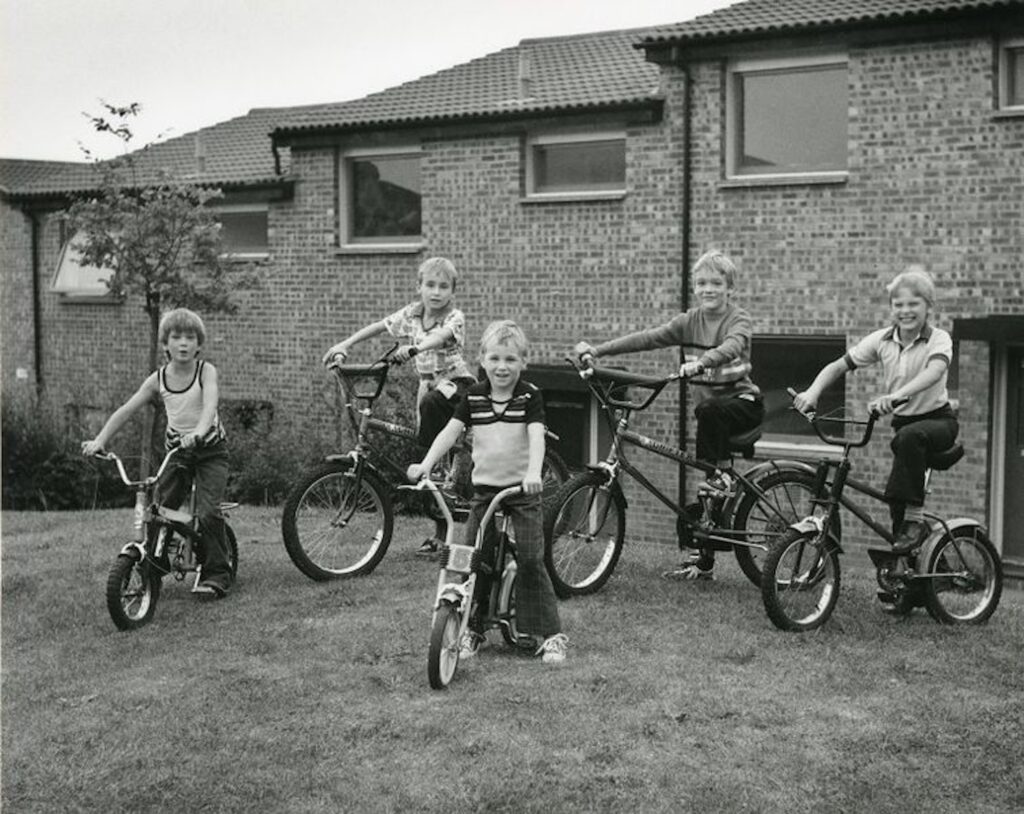
Documentary photographer John Heywood is known for intimate portraits of the life of children, adolescents and young adults in 1980s England. Each of his gelatin silver prints are correlated by evocative titles, becoming records of everyday-life sceneries, archetypical attitudes and styles.
The Victoria & Albert Museum hosts an extensive collection of his work, acquired in 2013 from the author himself. As declared by the institution “Most of the photographs were printed for display in an exhibition at the Bethnal Green Museum of Childhood, called Childhood, Inward and Outward Views (16 May to 15 July 1990). John Heywood continued to develop his project to document the lives of contemporary children, and has subsequently added to the original collection of prints.”
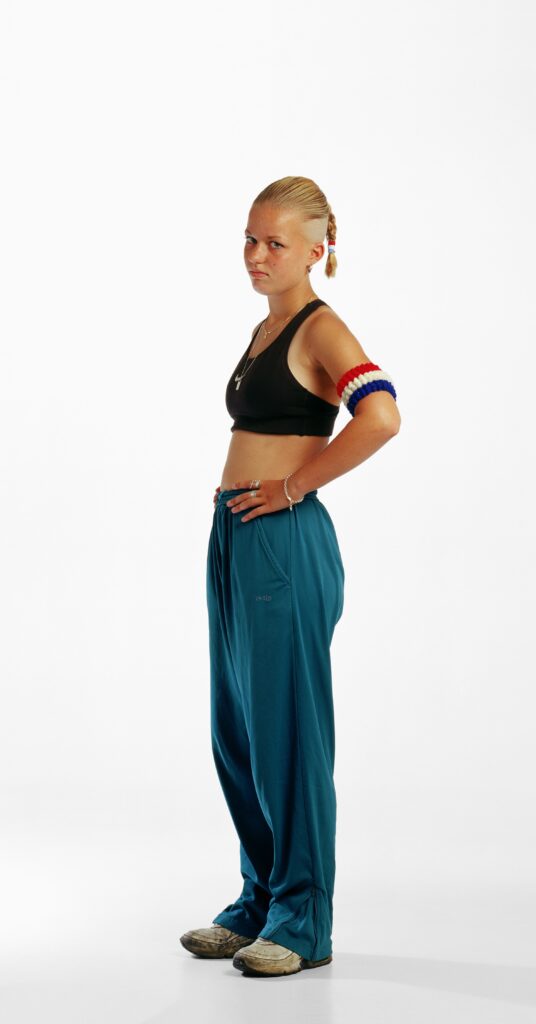
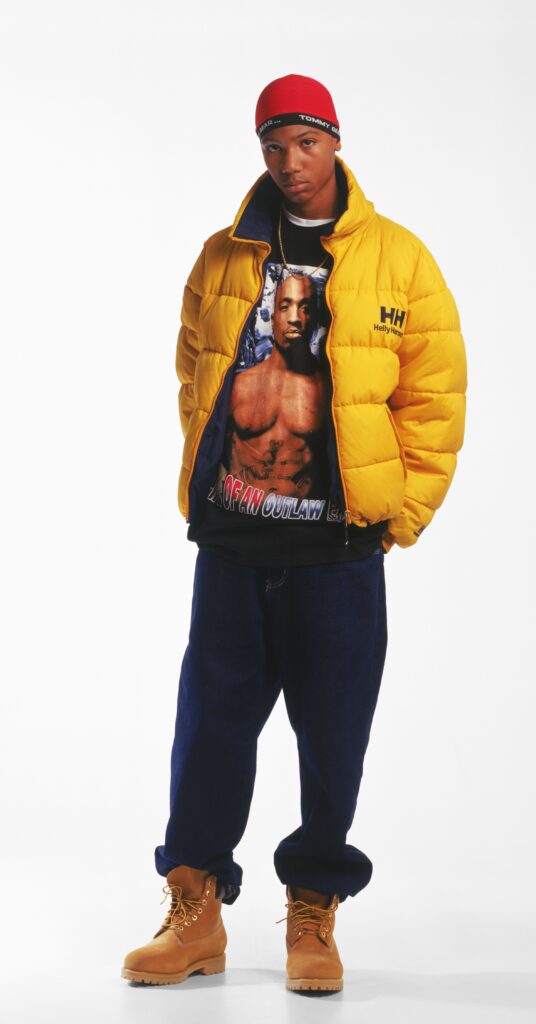
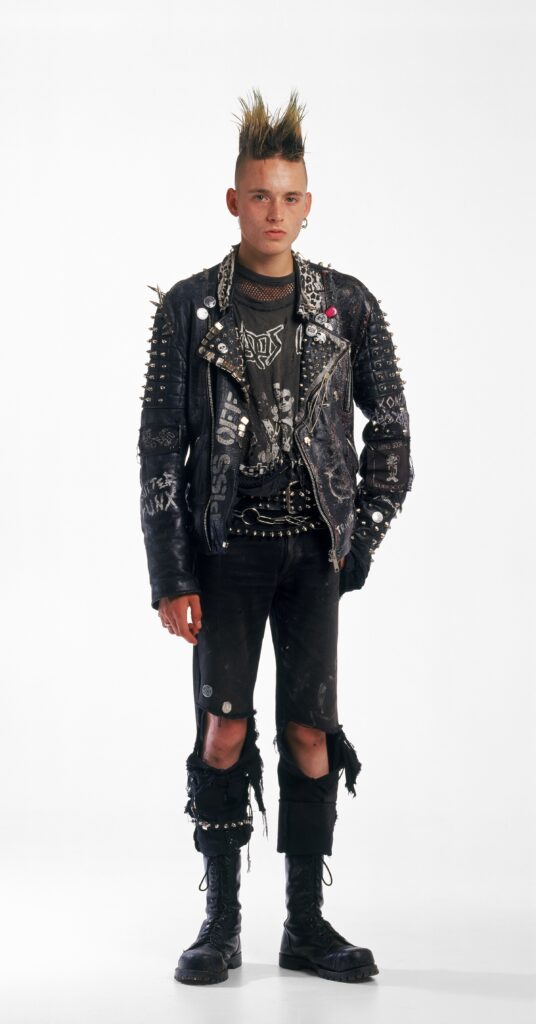
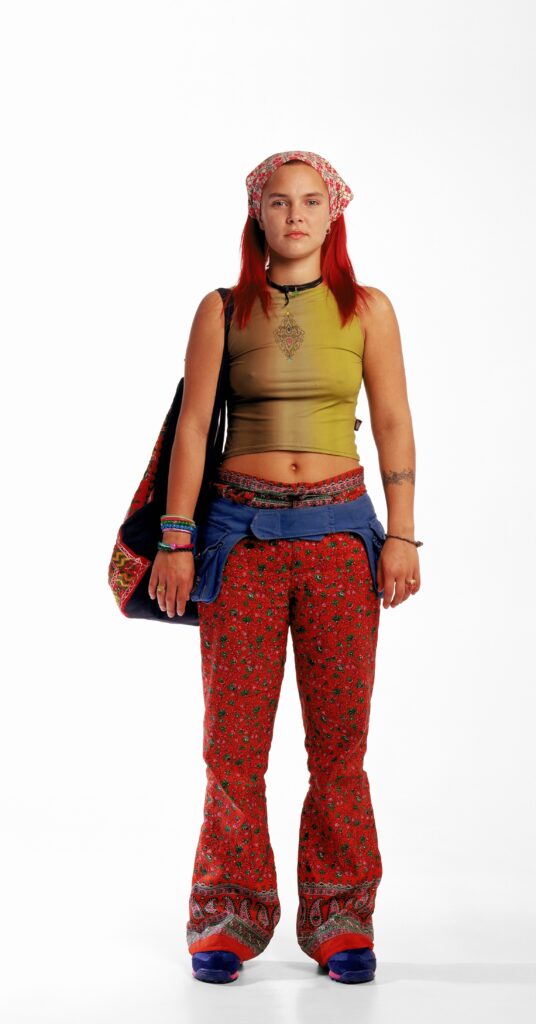
Photographer Ari Versluis and stylist Ellie Uyttenbroek have created a loyal following around their decades-long project Exactitudes – a photographic series that “profiles” societal groups portraying through passport-photo format their aesthetic and not-so-personal style. The first print of their eponymous book published in 2002 is something of a cult-object, and featured the then-unpublished first series depicting Gabbers from 1994’s Rotterdam scene.
Sad Ambient Boys from The Hague, Dealers from Florence, Uomo Espresso from Milan, Fluffies from Lindburg are some of the archetypes the duo have indexed through their series. The Rotterdam Museum, city where the duo is based, hosts life-size and full-length prints of early depictions of 1990s youth part of the duo’s Jong! photographic series.