EFHA2026 “In Situ/On Site”: Meet the Conference Speakers!
17.11.2026
A journey through the geographies of this year’s presentations, guided by a symbolic image from each project
17.11.2026
A journey through the geographies of this year’s presentations, guided by a symbolic image from each project
To introduce the programme and panels for EFHA2026’s International Conference “In Situ / On Site” (23-24 November 2026, Central Museum of Textiles in Łódź) we invited each of our speakers to distill their research into a single symbolic image and quote to map out the specific geographies explored in their work.
This textual, visual and geographical map will guide us through the latest research and discoveries surrounding European manufacturing districts – shedding new light on how their histories, craft traditions, and industrial networks continue to shape cultural, economic, and urban life today. The result is a rich constellation of visual references paired with an expansive atlas of locations, sites, regions, and countries. Together, these elements offer an engaging preview of the conversations awaiting us at the conference.
If you haven’t already, you can still register to the conference here!
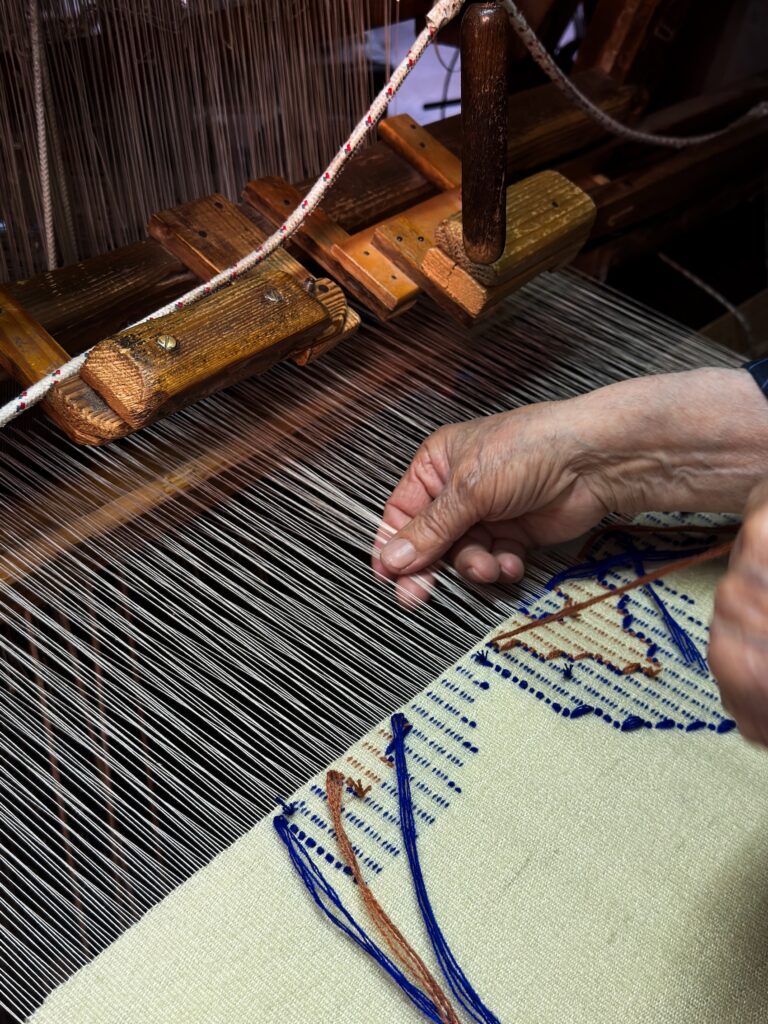
The years between the early 1970s and the mid-1980s saw the establishment of a solid industrialized Italian fashion system anchored in the ‘distretti industriali’ (productive districts) of central-northern Italy, with Milan at the core of the fashion and textile network of small and medium-sized enterprises. Curator, historian and writer, Dr. Lucia Savi investigates how clusters of small, localized enterprises fueled the 80s rise of Italian prêt-à-porter, exploring how the physical landscapes and workshop networks shaped the Italian modern fashion system and output.
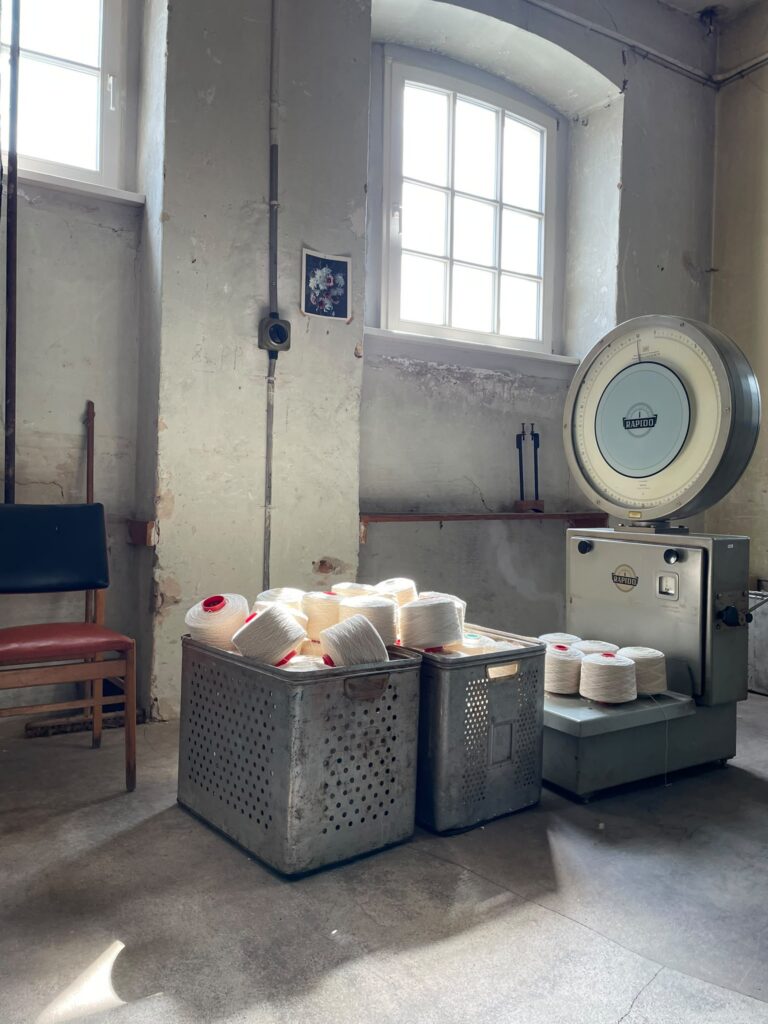
“This image conveys the continuity of a textile knowledge that survives through the hands of its last custodian, within a production site that has been partly transformed. This place still preserves a workshop seemingly frozen in time, where looms, tools and gestures continue to bear witness to a manufacturing history that is now being rediscovered, studied and progressively enhanced.”
With her research, Rita Salvado, Director of the Wool Museum at the University of Beira Interior, examines the role of territorial immersion in fashion design education at the bachelor level (1st cycle of Higher Education), taking the Portuguese wool industry ecosystem – centered in the city of Covilhã – as a case study. It analyzes how Covilhã’s textile industrial heritage, understood as an evolving landscape comprising both industrial archaeology and operating modern factories, serves as a living laboratory for meaningful learning at the bachelor level.
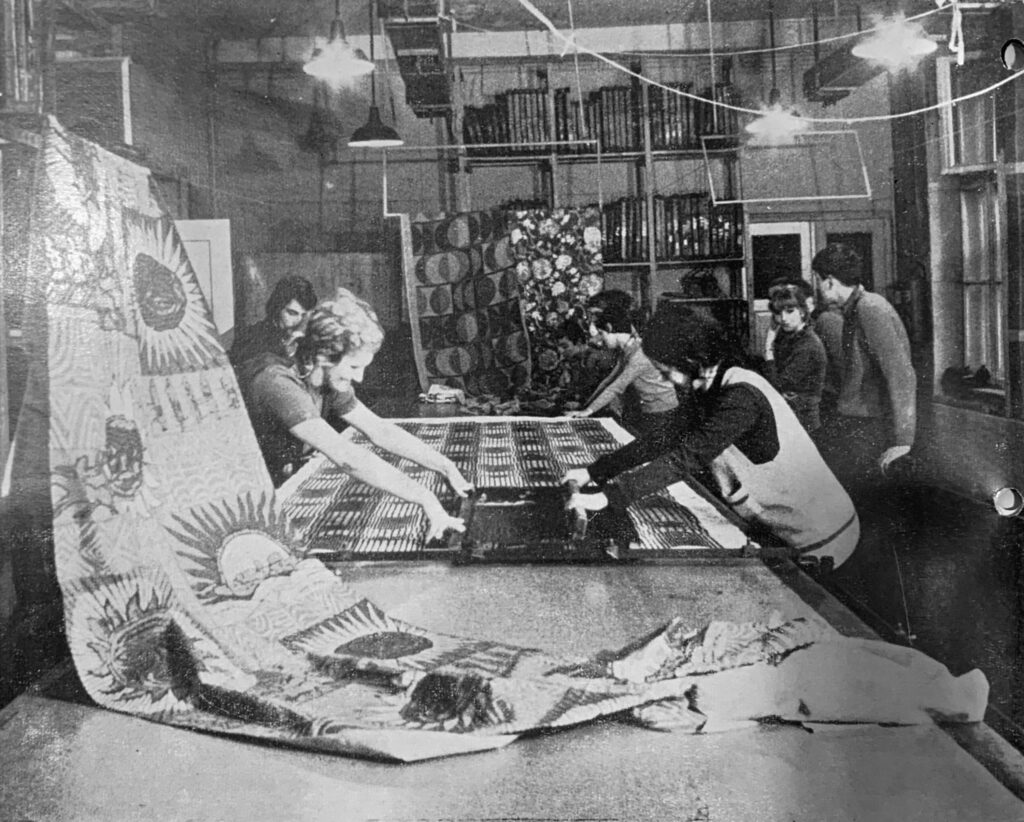
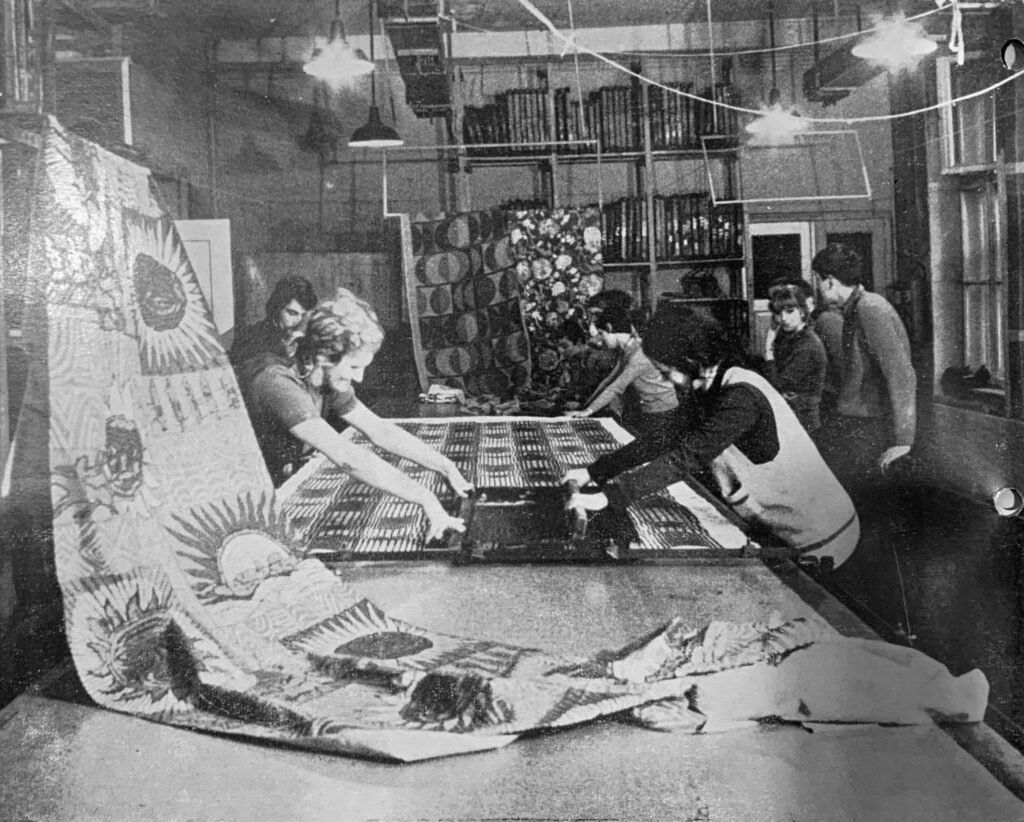
“Where was postwar textile design in Poland actually made? Not always where you might expect. The printed decorative textiles studio at the State Higher School of Plastic Arts (PWSSP) in Łódź: hand screen- printing, long tables, a workshop-scale space. The industrial machinery was elsewhere, in factories across the city. This dispersed geography will be the focus of my paper at the EFHA conference.”
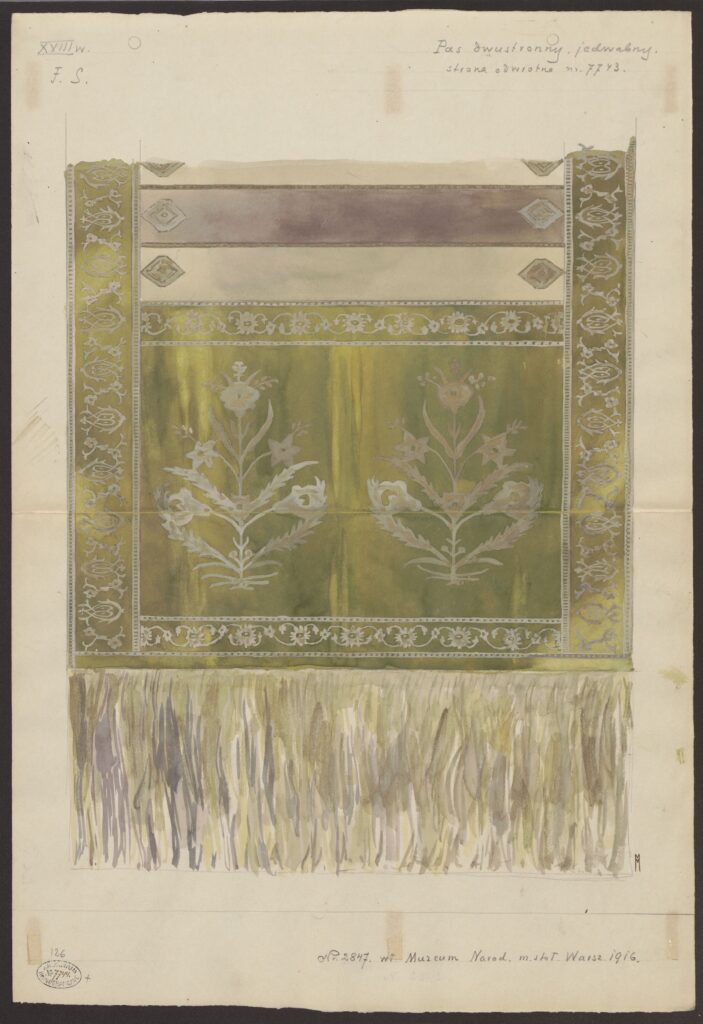
“This double-sided Polish silk sash was produced at Szczepan Filsjean’s manufactory in Kobyłka. A weaver and entrepreneur from Lyon – one of France’s leading textile hubs – Filsjean leased the workshop in 1781, running it alongside François Solimand, an experienced weaver formerly based in Grodno. Tracing the history of these workshops, their fabrics and the artisans behind them provides insight into how garment production under king Stanisław August was deeply intertwined with the geographies, political ambitions and historical forces of the era.”
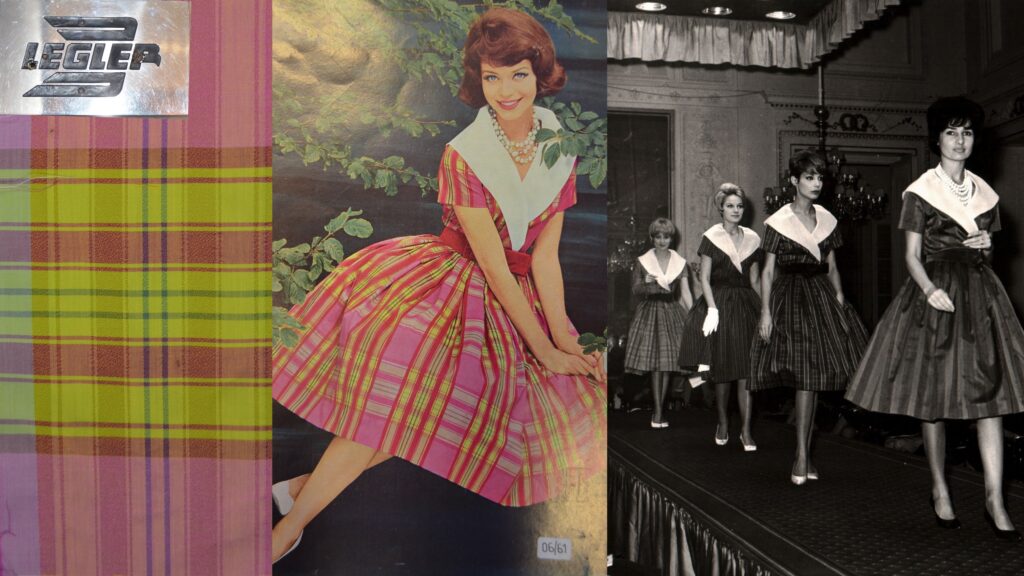
“The image is a juxtaposition of a printed cotton sateen fabric sample, an advertisement featuring a model wearing a garment made from that same cotton, and a black-and-white photograph of a promotional fashion show for Legler fabrics, an event held alongside the 22nd edition of the ‘Firenze Fashion Show’, organized by Marchese Giovanni Battista Giorgini. The first model on the left is wearing a dress crafted from the aforementioned sateen sample. The image aims to connect various types of materials from the Legler Archive (fabric samples, photographs, promotional images) related to the ‘Firenze Fashion Show’ specifically the July 1961 edition. The information gleaned complements data drawn from paper-based documentation, such as invitations, correspondence, press kits, and corporate reports.”
Through their presentation, Pascale Nachez, Associate Researcher in Industrial Archaeology, together with Bernard Durand, Professor Emeritus and Researcher, will show how the concentration of all stages of printed fabric production (chemistry, mechanics and industrial arts) within the Mulhouse region, enabled the development of a textile industry that remained active until the 20th century, linked to the Parisian and international fashion markets. It will also show how its school of design – which, from its foundation, was enriched by a dedicated museum, now the Museum of Fabric Printing (MISE) – continues, through its collections of samples, to attract professionals from around the world to help shape the fashion of tomorrow.
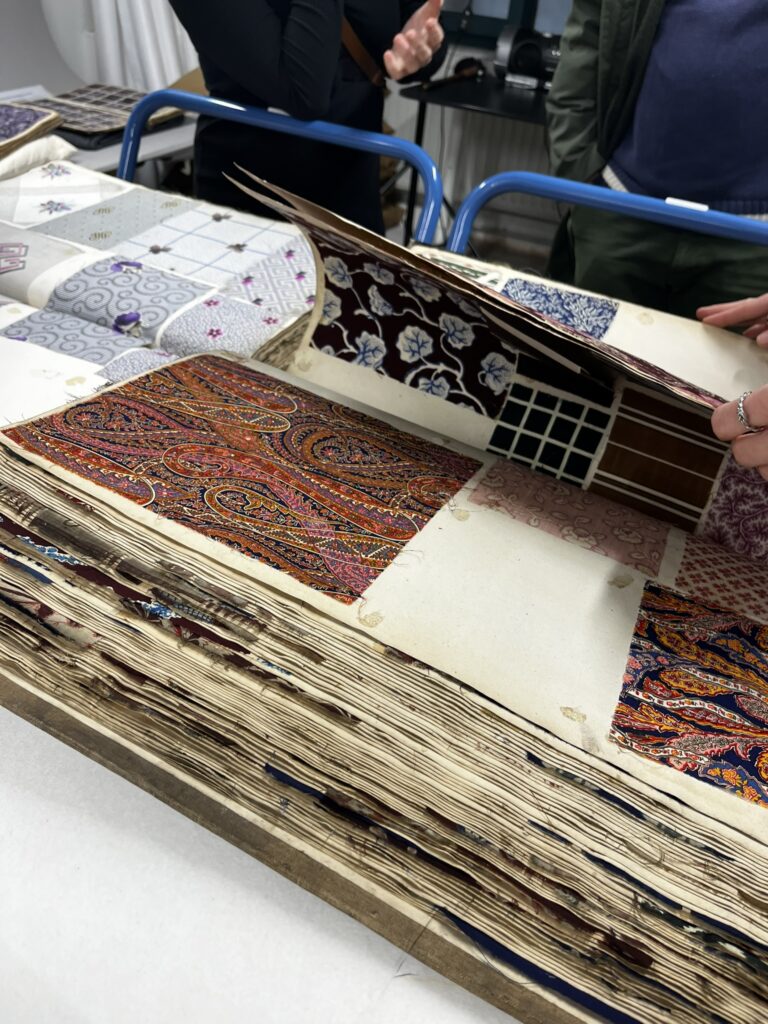
“This is a photograph from one of the many meetings we held with our colleagues’ group in Flanders (credits: ETWIE). Together with several museums, we mapped the textile sample books held in museum collections across Flanders and explored each other’s collections. What makes these objects so distinctive is that, at first glance, they often seem rather unremarkable. However, once you open them and start turning the pages, their true value becomes apparent. Time and again, people are amazed by the richness of the colours and the extraordinary variety of patterns and materials. Together with our partners in the textile heritage network in Flanders and Brussels, we aim not only to gain a better understanding of our own collections, but ultimately, to make these collections accessible to everyone, so that others too may experience the same sense of awe and fascination they evoke, with countless moments of ‘oh’, ‘ah’ and ‘wow’ as their remarkable contents unfold page by page.”
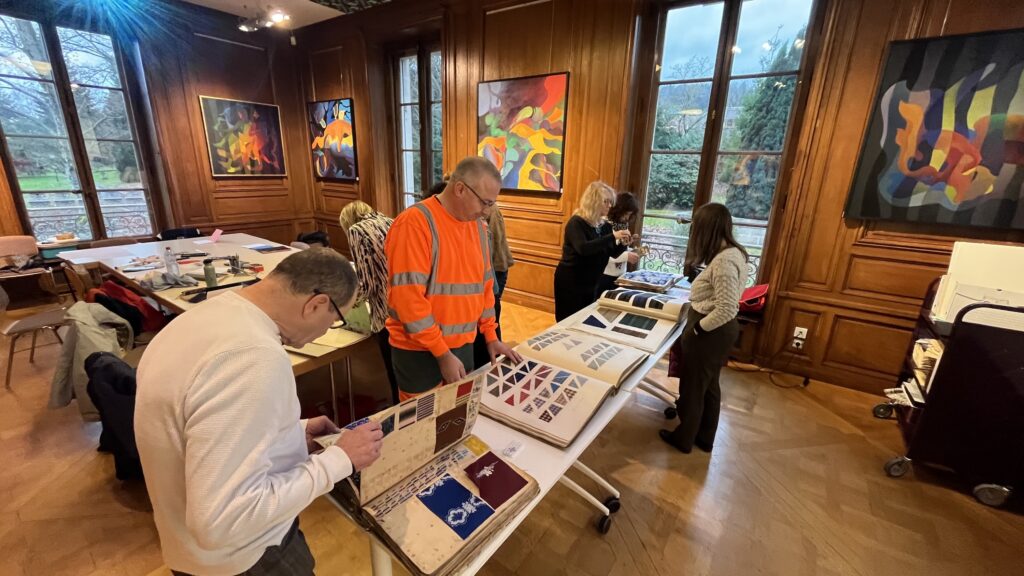
Clémentine Canu’s research explores how sample books are mobilised by designers, students and local communities to generate new narratives around textile heritage. Thanks to her role as curator in charge of the industrial archive collection held by the Communauté de Communes du Val d’Argent in Sainte-Croix-aux-Mines in France, she draws on archival analysis, field observation and documentation of participatory workshops. The image showcases civil servants discovering the textile sample book collection for the first time, marking the beginning of a project that weaves together textile heritage and the aesthetic revitalization of the region.
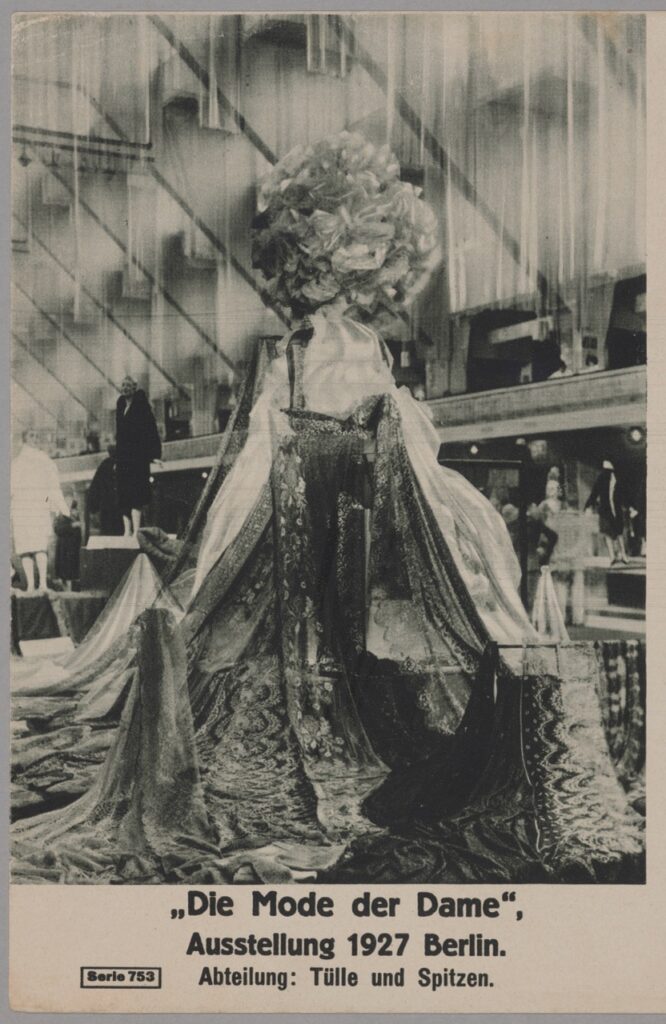
“The ‘Ruffles and Lace’ section of the 1927 Berlin exhibition ‘Women’s Fashion’ (Die Mode der Dame) illustrates how the fashion supply industry presented itself as a distinct sector. The elaborately arranged lace pieces are shown not merely as decorative materials, but as standalone products of a thriving industry. At the same time, it becomes clear how the exhibition brought together different branches of production in Berlin and wove them into the narrative of an independent German fashion industry. The presentation thus exemplifies the effort to make visible those materials and industrial connections that often remained hidden in the finished fashion product.”
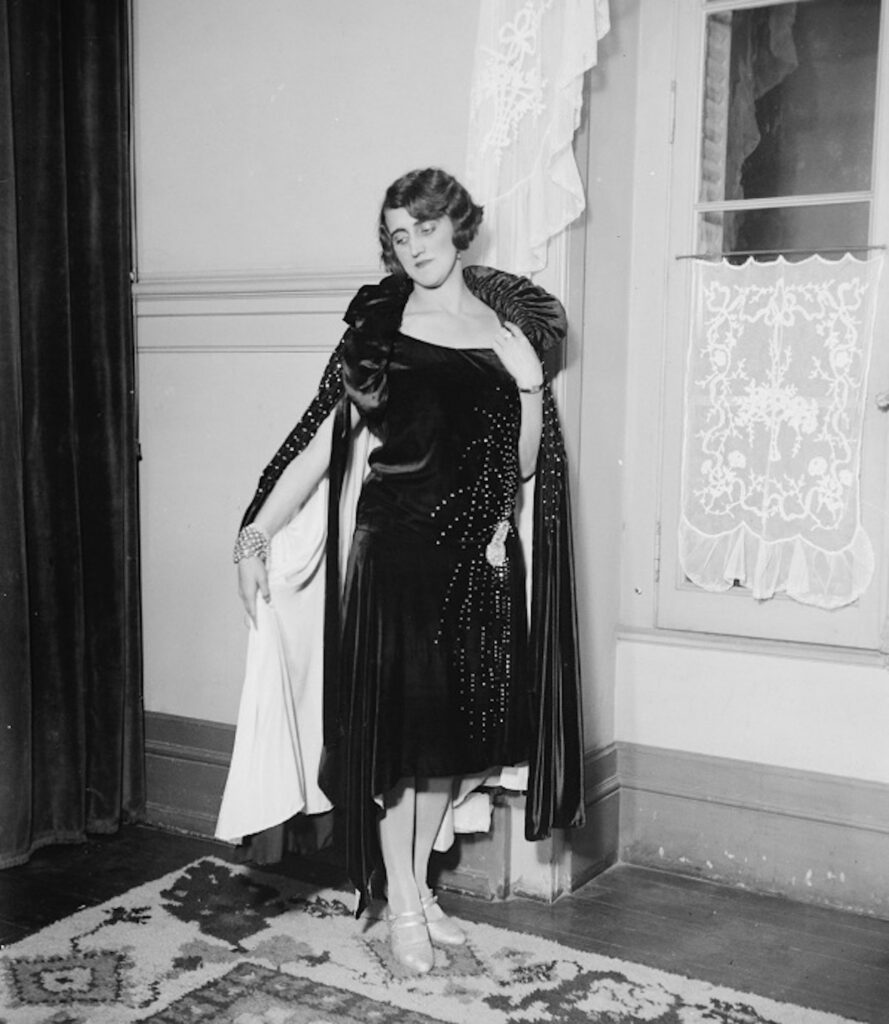
“At the beginning of the 20th century, Portuguese fashion largely followed imitation. Mass production had existed since the beginning of the century in department stores. In haute couture, Paris dictated fashion, and many designs were reproduced in Portugal (at home or in ateliers) through illustrations, patterns and photographs published in periodicals, the main vehicles of dissemination. However, one name clearly stands out in 1920s fashion: Madame Valle. Exquisite in her designs and strong in personality, she dressed an elegant elite and stayed close to power (notably António de Oliveira Salazar). She was the first couturier to gain prominence in Portuguese periodicals, pioneering fashion shows in her maison, and remained active until 1982. In 1928, she showcased her creations at the 1o Salão de Outono da Elegância Feminina e Artes Decorativas [1st Autumn Salon of Feminine Elegance and Decorative Arts] at the Sociedade Nacional de Belas Artes in Lisbon [National Society of Fine Arts], promoted by VOGA magazine.”
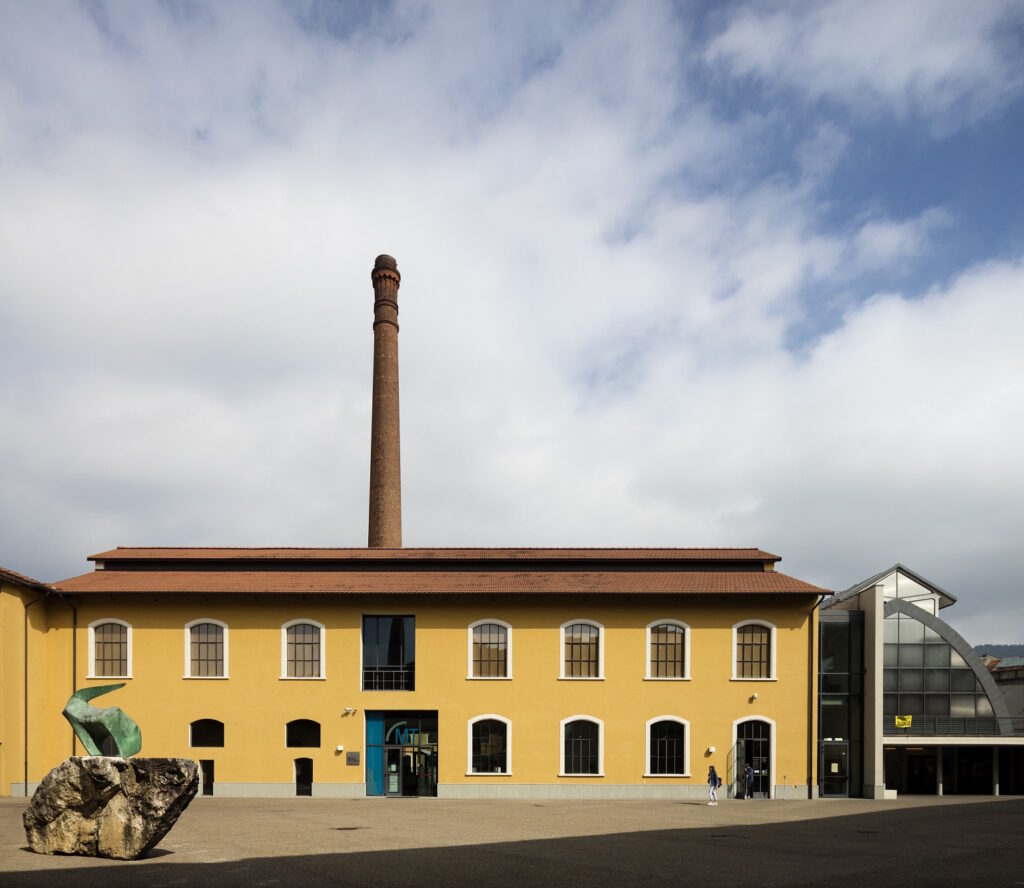
“Set within a landmark of 19th-century industrial architecture, the Prato Textile Museum seamlessly connects historical memory with contemporary production. As a dynamic cultural platform at the core of one of Europe’s largest textile hub, the museum actively engages with its surrounding territory – transforming industrial heritage into a living ecosystem of community identity, industrial tourism and forward-looking innovation.”
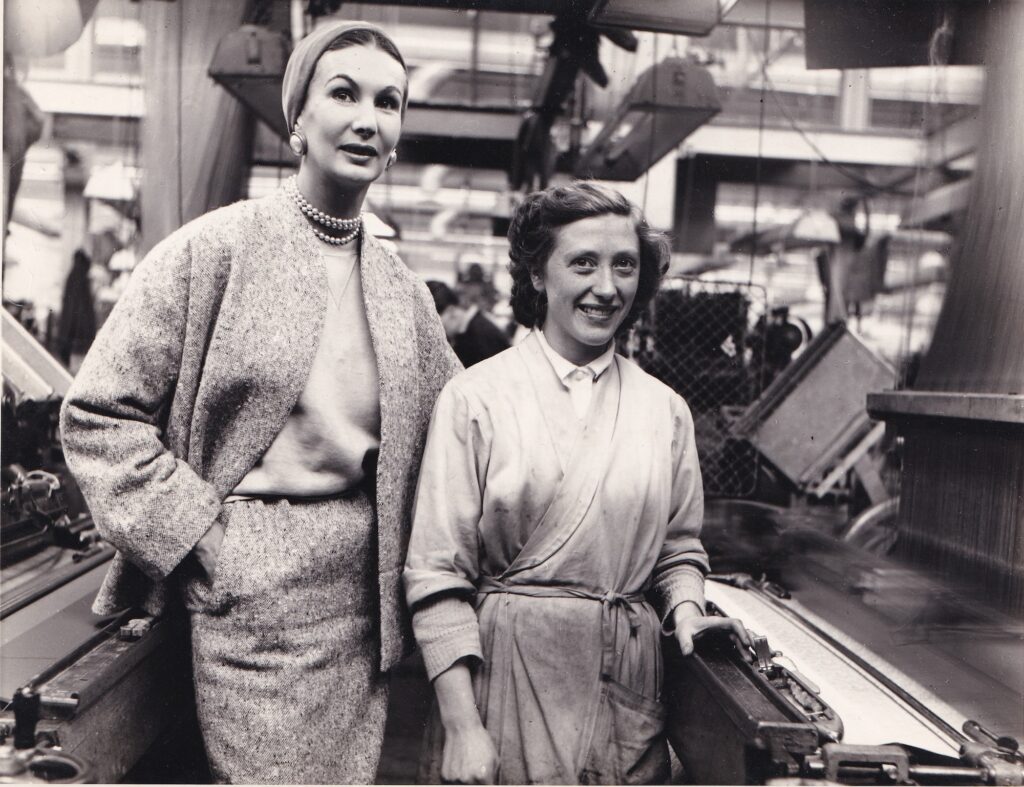
“In the 1950s, when this photo was taken, Charlie and Brenda worked as a manager and a weaver, respectively, at Sekers. Their daughters treasured this photograph, but why? The weaver wasn’t their mother, but the photo of a joyful weaver alongside Britain’s most famous mid-century mannequin evoked a golden past that felt both recent and vanishing. From 1940s into the 1980s, Sekers was an internationally renowned textile manufacturer featured in haute couture and high-end fashion collections. Sekers was also one of the region’s largest employers and a driver of social and cultural change. However, after the closure of the Cumberland mill in 2006, Sekers’ history has increasingly faded from collective memory, while the post-industrial region is now among the 10% most deprived areas in England. To redress this from within, Handpicked Productions, a local Community Interest Company and part of Sekers’ cultural legacy, has worked to create positive social impact and revive Sekers’ history, including by interviewing and documenting the histories of former Sekers workers, such as Brenda and Charlie. For this paper, Anne Timpson, director of Handpicked Productions, in collaboration with fashion and textile historian Dr Victoria de Lorenzo, will present on an ongoing project aimed at using Sekers’ archives and history to co-create a fashion exhibition and other resources to engage local communities and, more broadly, raise awareness of Europe’s textile industrial heritage.”
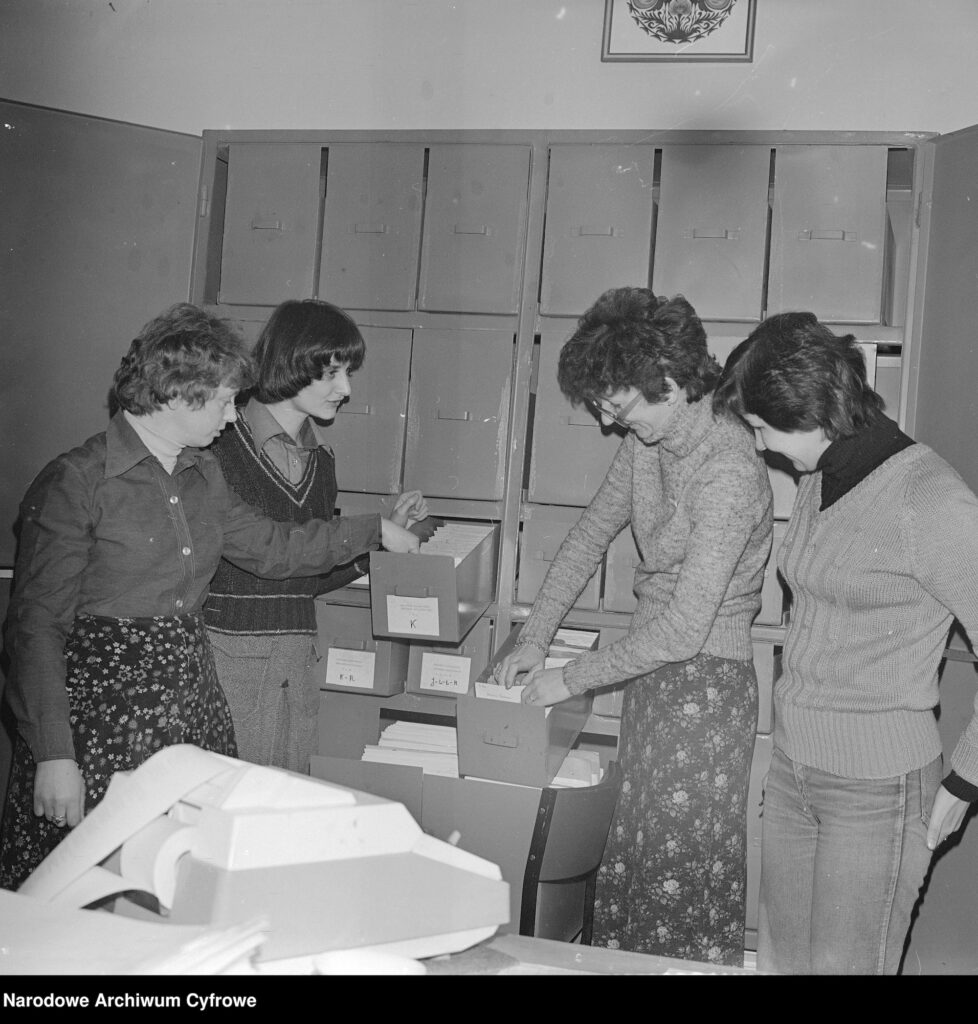
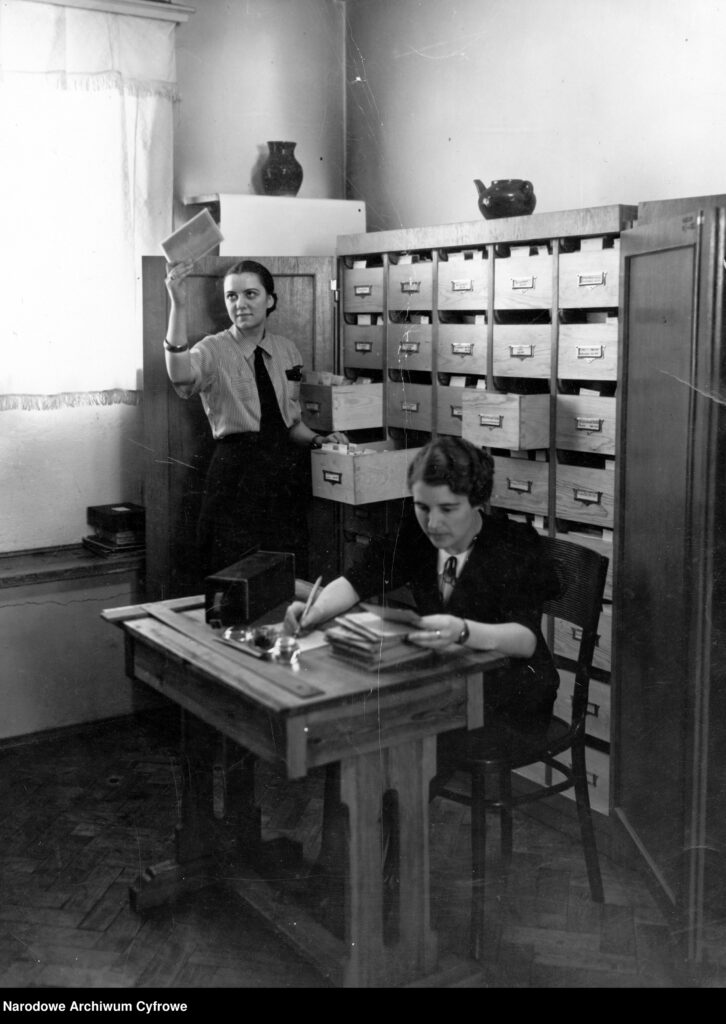
“The research examines the importance of documenting and preserving contemporary fashion production sites in Poland, considering them as future industrial and cultural heritage. It presents an interventionist curatorial project that connects fashion history, material memory and contemporary archival practices with active collaboration with current fashion practitioners – including independent brands, designers and industrial-scale manufacturers. The project advocates for closer cooperation between fashion creators, cultural institutions, researchers and the fashion industry in order to document and preserve the spatial, material and intangible dimensions of fashion production before they are lost.”
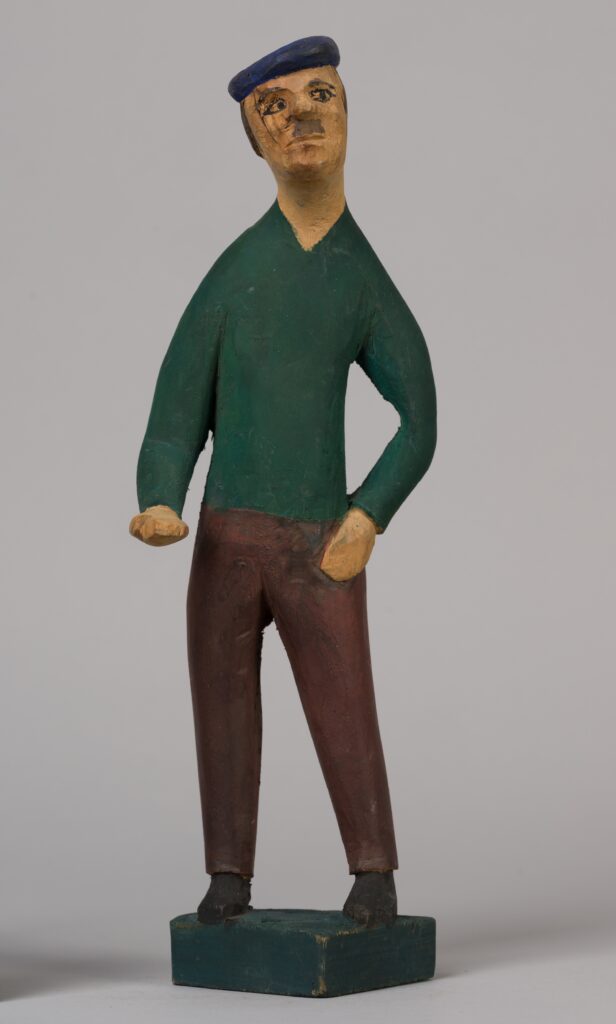
“An interesting artistic example is a set of wooden figurines depicting ‘Łódź types’ residents of pre-war Łódź. The figurines portray simple clothing in the manner characteristic of non-professional sculpture. These small, charming figurines depicting musicians, newsboys, hooligans or ordinary residents of Łódź offer an intriguing glimpse into the fashions and attire that I wish to present.”
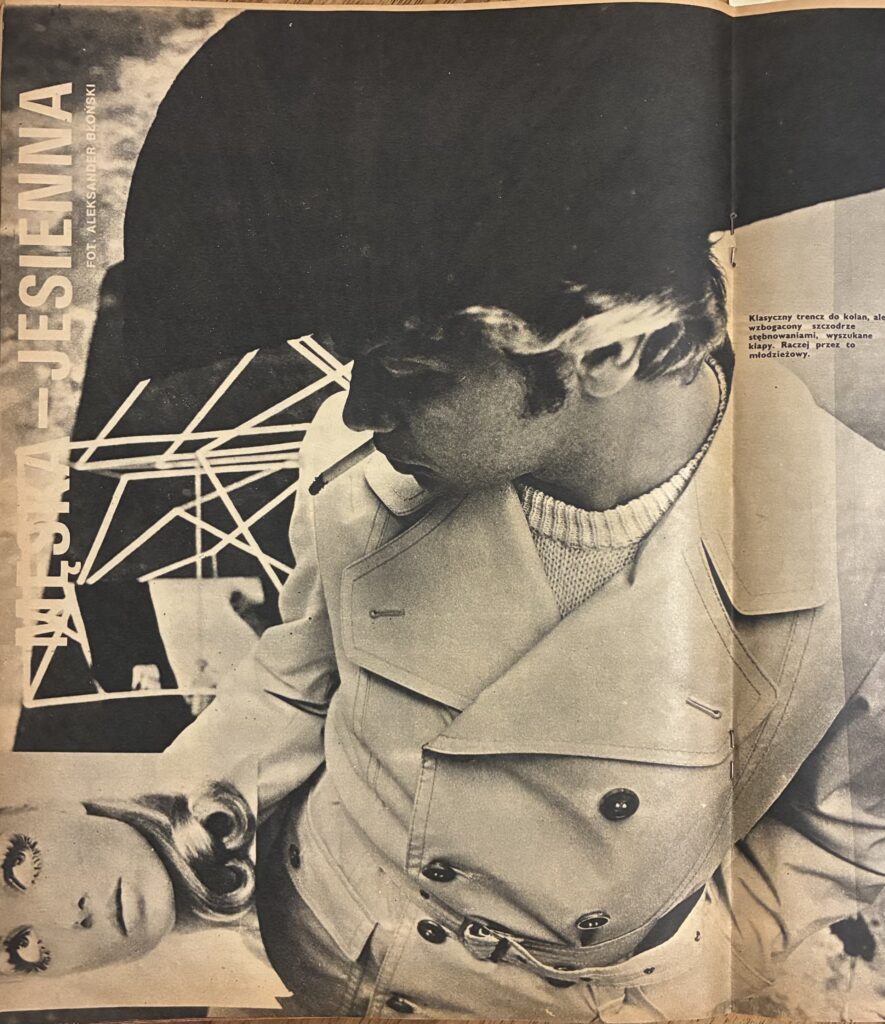
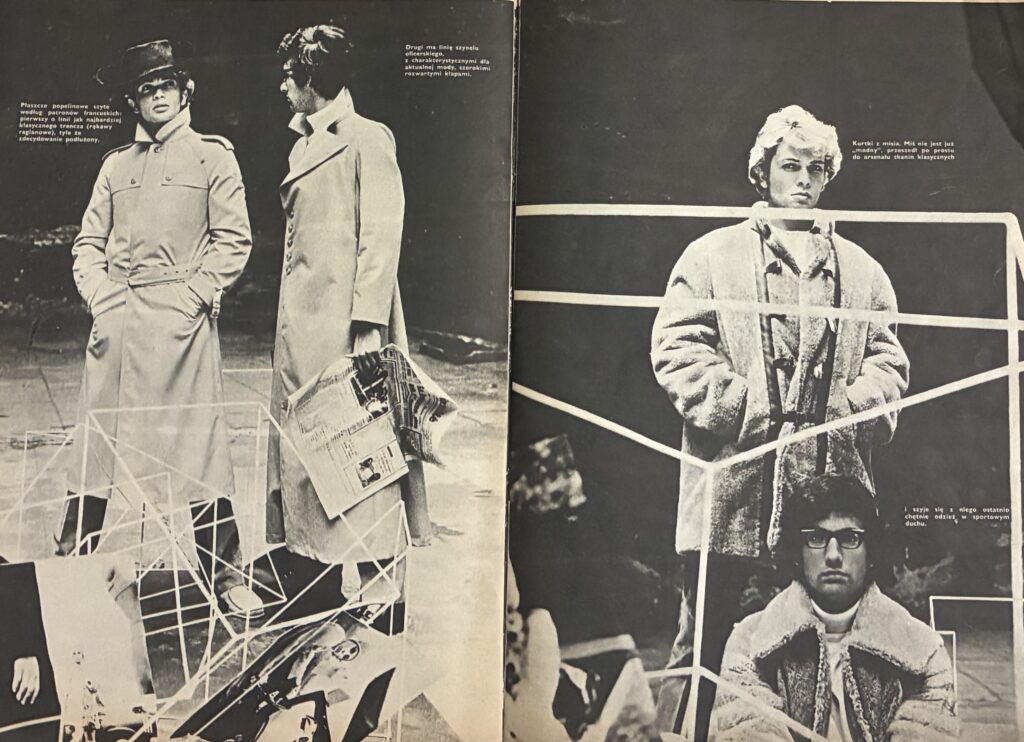
“The Próchnik brand, launched in 1948, became the pride of not only Łódź but the whole of Poland. Named after a pre-war socialist activist, the company became synonymous with higher-end attire and the number one men’s outerwear brand. The products of the Łódź brand were worn in Western Europe and the US.”
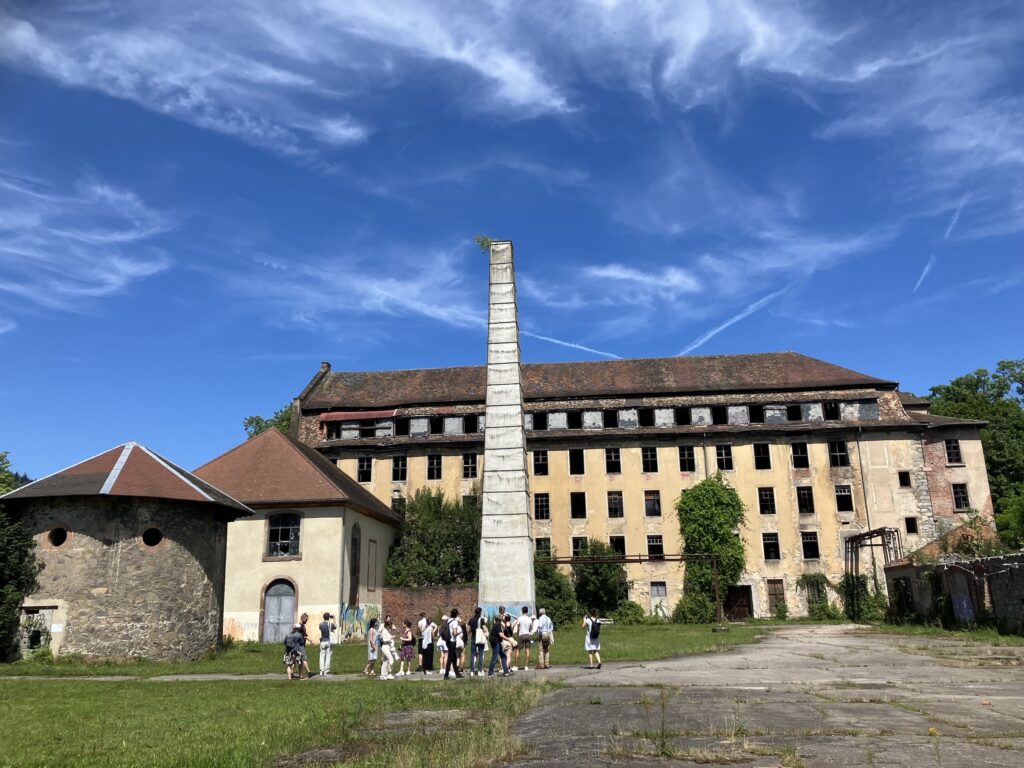
“The image represents industrial history that is deeply rooted in the local community. It was taken at the Gebr. Pfau textile factory in Crimmitschau, a former textile manufacturing site that now serves as a museum and plays an important role in preserving the region’s textile heritage.”
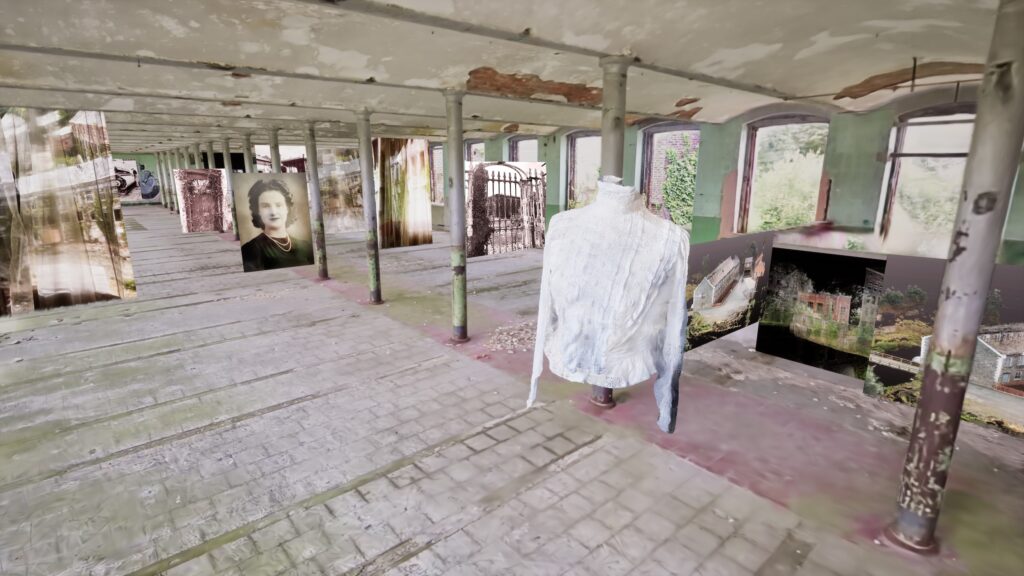
“This image of a virtual world for virtual reality brings together what was once a thriving textile industry in Tullylish, Northern Ireland. The image represents place, memory and identity, fashion, and labour. Its spinning and weaving mills are reconstructed through Gaussian splatting, point clouds, and photogrammetry. An Edwardian linen blouse (c.1910) recalls both sides of the industry: thread spun at mills like Gilford, and cloth woven at mills like Hazelbank. The portrait is of my grandmother, who went into the mills as a weaver at 14 with an oral history when a user comes close to the image. Tulle panels evoke the fragility of buildings now at risk. The image weaves together two kinds of thread: the linen spun in these mills, and the lives of the women who spun and wove it. The mill becomes legible through the garment, and the garment through the mill.”
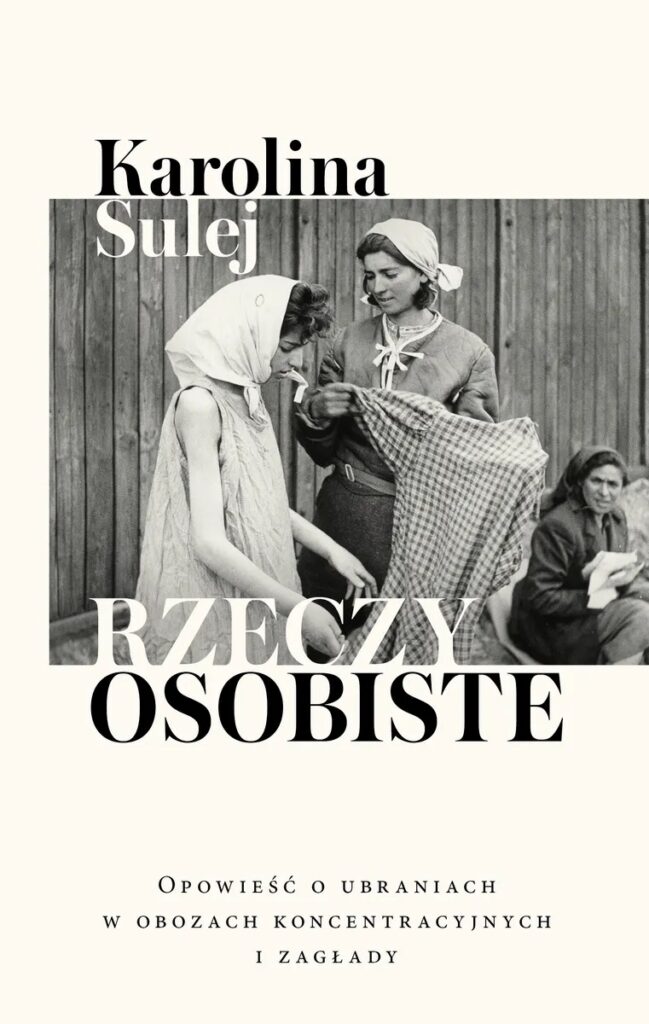
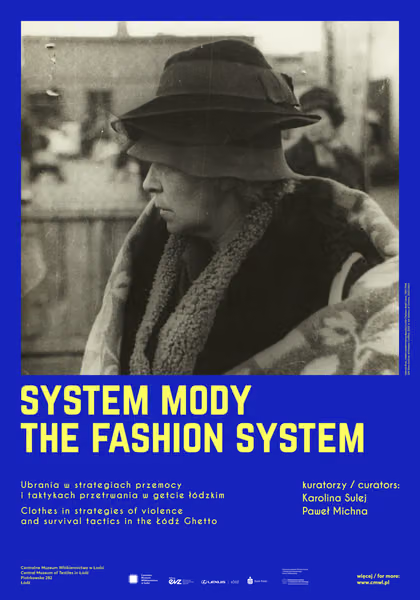
“This image is important as a symbolic visual reference to my work, as I am researching the role of clothes, textiles and personal belongings during times of war, especially World War II. The presentation will indeed recount the research and making of The Fashion System (7 April 2025 – 1 February 2026), the Łódź Central Museum of Textiles’s exhibition which uncovered how fashion and clothing became tools of violence and survival in the city’s ghetto.”